
Literary Vibes - Edition CLXII (27-Feb-2026) - POEMS
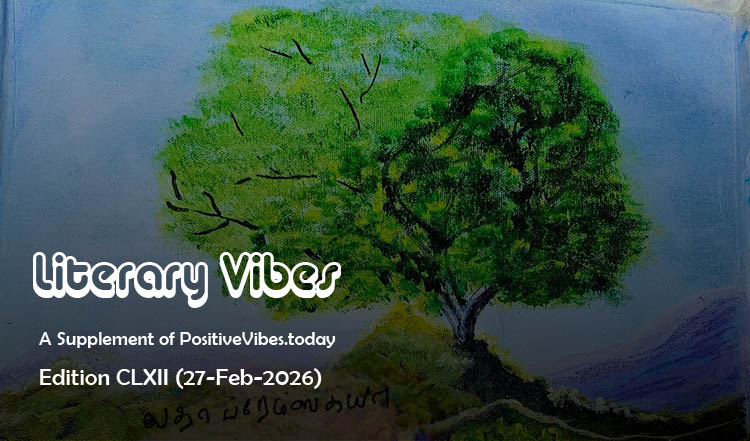
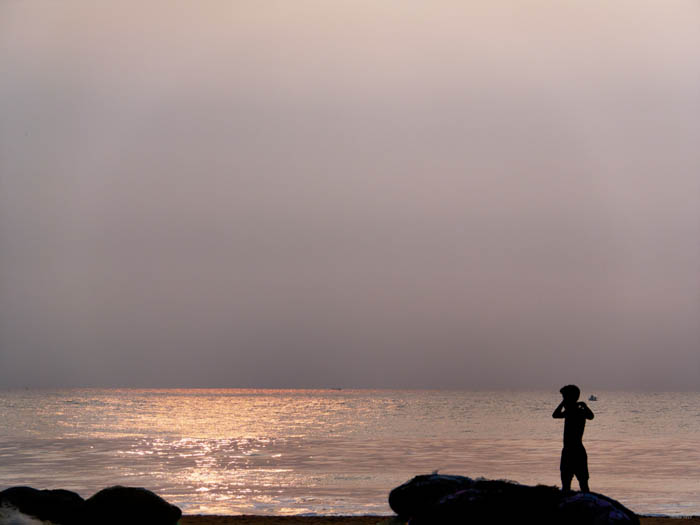
Title : Alone (Acrylic on Canvas Board by Aleena R. Bright)
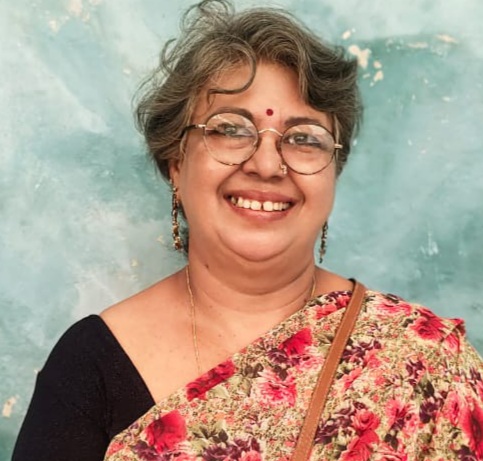
An acclaimed Painter, a published poet, a self-styled green woman passionately planting fruit trees, a published translator, and a former Professor, Lathaprem Sakhya, was born to Tamil parents settled in Kerala. Widely anthologized, she is a regular contributor of poems, short stories and paintings to several e-magazines and print books. Recently published anthologies in which her stories have come out are Ether Ore, Cocoon Stories, and He She It: The Grammar of Marriage. She is a member of the executive board of Aksharasthree the Literary Woman and editor of the e - magazines - Aksharasthree and Science Shore. She is also a vibrant participant in 5 Poetry groups. Aksharasthree - The Literary Woman, Literary Vibes, India Poetry Circle and New Voices and Poetry Chain. Her poetry books are Memory Rain, 2008, Nature At My Doorstep, 2011 and Vernal Strokes, 2015. She has done two translations of novels from Malayalam to English, Kunjathol 2022, (A translation of Shanthini Tom's Kunjathol) and Rabboni 2023 ( a Translation of Rosy Thampy's Malayalam novel Rabboni) and currently she is busy with two more projects.
Dear Readers,
Happy to present to you the 162nd edition of LiteraryVibes. This month we are lucky to have three new contributors. Both Ms. Lata Krishnan from Coimbatore and Ms. Beena Anil from Chennai are prolific poets with an outstanding presence in the literary world. Young Aleena Bright, a student in Thiruvananthapuram, is passionate about art and literature. She is a brilliant creator of doodles since her childhood and holds a lot of promise for the future. Let us welcome them to the LV family and wish them a lot of success and glory in their literary and artistic journey.
February is the month famous for Valentine's Day. Love is in the air with the gradual, pleaseant footfall of Spring. Young hearts yearn for love, promises are made, commitments exchanged and lives move on in a spirit of togetherness. Amidst the celebrations, we realise the world has always been like this for generations, young hearts exploring each other, finding joy and carrying forward life with splendid abandon.
I have had the privilege of seeing many messages of love, numerous images of togetherness and a crescendo of celebratory spirit during the Valentine's week. They have filled me with undiluted pleasure and I was tempted to acquaint you with the tales of love and the whispers of tenderness gathered from those messages.
But as a strange coincidence, I came across two beautiful, touching stories of parental love a week ago. They were so moving that they brought tears to my eyes. In a poignant moment I transcended the boundaries of young love and stayed submerged in melancholic despair reflecting the realities of life. The stories have not left my consciousness for the past one week and I feel I must share them with you. The authors are anonymous, but wherever they are, they deserve our salute.
1. The Last Train Home
The first time my mother stopped calling me by my childhood name, I didn’t notice. It felt like a small, harmless change—like a spelling mistake in a long letter. She had always called me “Bittu,” even when I grew taller than her, even when I became a working man in Mumbai. But that day, on the phone, she simply said, “Hello… beta.” I smiled and assumed she was becoming formal, finally accepting I had grown up. I didn’t know it was the beginning of a goodbye.
My mother lived alone in our old house in Nagpur after my father passed away. My sister was married and settled elsewhere. I was in Mumbai, always busy, always caught up in work, always promising myself I’d visit “next month.” I sent money regularly, arranged medicines, paid bills online, hired a maid, and told myself I was being a responsible son. I didn’t realise that responsibility without presence is just a well-managed absence.
Every Sunday, I called her. The calls were short and repetitive. She would ask if I had eaten properly. I would say yes. She would ask if I was saving money. I would say yes. She would ask when I was coming. I would say, “Soon.” And she would say, “Okay.” She never pressured me. She never complained. That was her love—quiet, non-demanding, and dangerous. Because quiet love is easy to ignore.
One Thursday evening, I got a call from an unknown number. It was our neighbour, Shukla aunty. Her voice was urgent. “Beta, your mother fell today,” she said. I stood up so fast my chair toppled. I asked if my mother was okay. Shukla aunty said she was weak and had refused to go to the hospital. She kept saying, “Bittu will come.” The moment I heard my childhood name from someone else’s mouth, my heart squeezed painfully. I booked a train ticket immediately. The earliest one was the next morning.
That night I couldn’t sleep. My mind replayed my mother’s voice, her loneliness, and the old house. I remembered things I had forgotten—how she used to wait at the window when I returned from school, how she would cut fruits for me even when she had none for herself, how she kept my favourite snacks in a steel dabba even after I left for college, as if I might return suddenly like a miracle. I felt guilt rising like heat, but I couldn’t undo the years. All I could do was go.
The next morning, I boarded the train. I reached Nagpur by afternoon and took an auto to our old lane. The houses looked smaller than I remembered. The trees looked older. The road looked the same, but my heart felt unfamiliar, as if I was entering a place I had abandoned. When I reached home, the door was slightly open. I stepped inside and called softly, “Aai…” There was no answer. I walked into the hall and found her sitting on the sofa, wrapped in a thin shawl. The TV was on but muted. Her eyes were fixed on the door as if she had been waiting for hours.
When she saw me, her face lit up—not like an old woman seeing her son, but like a thirsty person seeing water. “Bittu!” she said, and her voice cracked. I ran and held her. She was lighter than I remembered, her bones sharper, her hair whiter. Her hands trembled as she touched my face. “Tu aala?” she whispered. “You came?” I couldn’t speak. I only nodded, swallowing tears.
That evening I cooked for her. The food wasn’t great, but she ate happily, like the taste didn’t matter. After dinner, she sat near the window and I sat beside her. The house was quiet, but it wasn’t the empty quiet of loneliness. It was the quiet of two people finally sharing the same room after years of distance. Then she said softly, “I want to go somewhere tomorrow.” I assumed she meant the temple. But she shook her head. “Railway station.” I frowned, confused. “Why?” She only said, “I want to see it.” I didn’t understand, but I agreed.
The next day, I supported her as she walked slowly to the station. We sat on a bench. Trains arrived and departed. People hugged, cried, laughed, and rushed. My mother watched it all quietly, like she was watching a film she had already seen. After a long time, she asked, “Do you remember when your father used to travel?” I nodded. My father had worked in the railways and travelled often. My mother said, “Every time he left, I used to come here to see his train depart. And every time, I told myself—he will come back.” She smiled faintly. “Then one day, he didn’t come back.”
My throat tightened. She turned to me and said, “And then you left.” She wasn’t accusing me. She was stating it like a fact. “I didn’t come to the station when you left,” she continued. “Because I didn’t want you to see me crying. I stood at home near the window.” I stared at her, stunned. She said, “For many years, I kept that habit. Every evening I sat near the window. I don’t know why. Maybe I was waiting for your footsteps.” I asked her, barely able to speak, “Aai… why didn’t you tell me you were lonely?” She smiled sadly and said, “Lonely people don’t like to beg for love. They feel ashamed.”
Then she looked at the tracks again and said, “Bittu… I have one request.” I said quickly, “Anything.” She said, “When I die… don’t do too much drama. Don’t spend money on big rituals. Just… sit with me for some time before I go.” My heart stopped. I protested, “Aai, what are you saying?” She smiled gently. “I’m not scared of dying. I’m scared of dying without you near me.” Tears rolled down my face. She wiped my cheek with her trembling hand, the way she did when I was small, and whispered, “Don’t cry. I got to see you. That’s enough.”
That night she slept peacefully. I sat near her bed, listening to her breathing. It was soft and fragile. I realised something terrifying: for years, I had assumed my mother would always be there, like a wall or a tree—permanent. But now I could hear how temporary she was. The next morning, she didn’t wake up. No dramatic scene. No last words. Just silence. I touched her hand. It was cold. I screamed. Neighbours came. Doctors came. But my mother was gone.
In the days that followed, relatives arrived, rituals happened, and condolences were given. People told me, “You were lucky you came in time.” Lucky. That word felt heavy, because it wasn’t luck. It was a final chance. And I had almost missed it. A week later, I returned to Mumbai. The train was crowded. People were chatting, eating, and laughing. I sat near the window, staring outside, feeling like my chest was hollow.
At one station, the train stopped. I saw an old woman standing with a tiffin in her hand, waiting. A young man stepped off the train. She smiled, touched his face, and handed him the tiffin. The boy laughed. And my heart shattered again. Because suddenly I understood what I had done. I had reduced my mother to a phone call, money transfers, and “soon.” I had made her a responsibility instead of a relationship. And she had never complained. She had just waited.
That night in Mumbai, I opened my phone and scrolled to her last call. I stared at her name and almost pressed the call button out of habit. Then I remembered. And for the first time in my life, I understood regret—not loud regret, but quiet regret, the kind that sits beside you forever.
The last train home is not always a train. Sometimes, it is a moment. A fragile window of time when life gives you one final opportunity to show up. And if you miss it, you can never book that ticket again.
Moral
Love does not survive on intentions alone. It survives on presence. Many of us believe we are good children because we send money, arrange medicines, and call occasionally. But for parents, love is not measured in transactions—it is measured in time, touch, and togetherness. The saddest truth is that parents often don’t demand our presence, not because they don’t need it, but because their love is too dignified to beg.
Never assume there will be time later. “Soon” is the most dangerous word we use with people we love. One day, the chance to sit beside them, hold their hand, and simply exist with them will disappear without warning. And then all our responsibilities, rituals, and guilt will be useless. The greatest gift you can give your parents is not a perfect life—it is your presence while they are still here.
....................
2.The Crematorium
It was 3:00 PM at a large crematorium in Pune.
Rohan (35), who was a Vice President at a major software company in the United States, had just landed from his flight and come directly to the crematorium.
His father, Sadashivrao (75), had passed away the previous night.
Rohan was holding an expensive laptop bag and wearing Ray-Ban sunglasses. He was sweating and constantly checking his watch.
There stood Sumit from “Moksha Event Management” (a funeral service agency).
Sumit had arranged everything. The firewood was stacked, the priest had been called, and Sadashivrao’s body had been bathed and prepared.
Rohan arrived. He glanced at his father’s face. A tear or two rolled down his eyes.
He asked Sumit:
“Mr. Sumit, everything is ready, right? I have a 6 PM return flight to catch. I have an important meeting tomorrow. Please finish this quickly.”
Sumit was shocked. The father who had raised this son didn’t deserve even three hours of his time?
Sumit quietly nodded.
The rituals were performed.
Rohan lit the funeral pyre.
Smoke rose into the sky.
Rohan took Sumit aside and pulled out his checkbook.
“Sumit, thank you. You made good arrangements.
What’s your bill? 50,000? 100,000? Tell me the amount; I’ll write the check now. I won’t be able to come again. Please handle the ashes immersion as well.”
Sumit looked at Rohan with a strange smile.
“Sir, there is no need to pay. Your bill is already paid.”
Rohan was confused. “Paid? Who paid? My uncle?”
Sumit replied:
“No, sir. Five years ago, Sadashivrao (your father) came to our office. He was very ill. He could barely walk.
He asked us, ‘What is your package? Will you handle everything so my son doesn’t face any trouble?’
We told him the package details.
That very day, he deposited 50,000 rupees in advance.
And he gave me this letter. He told me, ‘When my son comes, give him this letter. And if he doesn’t come, you perform my last rites.’”
Sumit handed the letter to Rohan.
With trembling hands, Rohan opened it.
In his father’s shaky handwriting, it read:
“Dear Rohan,
My son, I know you are very busy. In America, you barely have time to breathe.
I know that when you hear about my death, you will feel tense.
‘Will I get leave? Will I get a ticket? What about my meeting?’ — these questions will trouble you.
Son, your time and your career are very important.
I raised you so that you could conquer the world.
Don’t suffer losses for the sake of an old man’s corpse.
So I have already arranged everything for my death.
I have paid the agency. They will take care of it.
If you come, it’s good. If you don’t, I won’t be angry.
I have only one request…
When I used to drop you at school as a child, I never let go of your hand.
Today, when you light my funeral pyre, don’t let your hand tremble.
Go back soon. Your wife must be waiting.
Yours,
Baba.”
After reading the letter, the checkbook slipped from Rohan’s hands into the mud.
In that crematorium, where the sound of burning wood filled the air…
Rohan’s ego and pride in his career burned to ashes.
He fell to his knees.
“Baba…! Forgive me, Baba!”
Rohan held Sumit’s feet.
“Sumit, I don’t want to go back to America! I want to stay with my father!
I earned millions, but I turned out to be a beggar!
My father, even at the time of his death, thought about my meeting… and I was bargaining over the price of his last rites?”
That day, Rohan could not catch his flight.
He sat there all night in front of the burning pyre.
Because he finally understood—
“Prepaid” can be for a SIM card…
But a father’s love is never prepaid.
A father’s love is unlimited —
And no currency in the world can repay it.
No matter how big you become in the world, how much money you earn…
When the parents who once changed your diapers need you at the end of their journey, don’t turn away in discomfort.
An agency can perform the funeral.
But the tears…
Those cannot be outsourced.
They must come from blood.
................
Dear Readers,
What beautiful, wonderful stories! So touching, so moving! Probably the best i have read for a long time. We left the Valentine's Day a fortnight back. Now it is time to reflect on life and its many vicissitudes.
Hope you will like the two stories and other offerings in LV162. Please share the eMagazine with your friends and contacts through the following links:
https://positivevibes.today/article/newsview/628 (Poems)
https://positivevibes.today/article/newsview/627 (Short Stories and Anecdotes)
https://positivevibes.today/article/newsview/626 (Young Magic)
Please note that all the 162 editions of LiteraryVibes can be accessed at
https://positivevibes.today/literaryvibes
Keep enjoying the receding days of winter and the early whiff of Spring air with LiteraryVibes in hand. Stay happy and we will meet again with the 163rd edition of LiteraryVibes on 27th March, last Friday of next month.
With warm regards
Mrutyunjay Sarangi
Editor LiteraryVibes
Bhubaneswar, the 27th of February, 2026
Table of Contents :: Poems
01) Prabhanjan K. Mishra
DON`T WALK GENTLY, LITTLE ONE, PREDATORS ABOUND
YOURS TRULY
02) Dilip Mohapatra
CHAKRAVYUHA
THE FINAL CREMATION
03) Abani Udgata
THOSE DAYS
04) Sathya Venkatesh
FROM HUMAN POINT OF VIEW
FROM PET’S POINT OF VIEW
05) Pradeep Kumar Biswal
WHEN A LEAF FALLS
06) Lata Krishnan
FEEL OF LOVE
07) Dr Beena Anil
YOUR CHILDREN ARE NOT YOU REBORN
08) Hema Ravi
SILENCE THAT HAUNTS
WHAT IS NEW?
09) Matralina Pati
FROM A SICKBED
10) Baldev Samantaray
URBAN MUSE PLAYFUL GLOWWORM
11) Dr. Saroj K. Padhi
FEBRUARY: A MONTH OF ROMANCE
LOVE BECAME FAMILIAR WHEN
12) Sudipta Mishra
VALENTINE`S DAY
13) Anindita Ray
SILENT WITNESS
14) Sushree Gayatri Nayak
UPGRADED BLAME
15) Darsana Kalarickal
RETURN TO ME, OH LOVE!
16) Satish Pashine
MY HAIKU POEMS
17) Leena Thampi
IN OUR NEXT LIFETIME
18) Kunal Roy
THE SERPENTINE GLEE
19) Lopamudra Singh
LOOPHOLES
20) P. S. Sowmya
BARREN WOMAN UNDER THE BODHI TREE
21) Arpita Priyadarsini
AND WRITE PEACE IN CAPITAL
22) Bipin Patsani
THE SYMBIOTIC STREAM
POETIC INTUITION AND RITUAL
23) Dr. Protiva Rani Karmaker
A FARMER’S SILENT SIGHS
24) Mrs. Setaluri Padmavathi
COMPANIONSHIP
25) Dr R. S.Tewari
IN THE MIRROR OF FAME
ABOVE ALL CREEDS
26) Tophan Khilar
WRITE ME A LETTER
27) Harisankar Sreedharan
THE TRUTH THAT I`M NOT
28) Dr. Rajamouly Katta
RIVER’S AUTOBIOGRAPHY
29) Dr. Niranjan Barik
FROM THE BANKS OF RIVER MAHANADI!
30) Dr. Mrutyunjay Sarangi
JOURNEY IS ON
DON`T WALK GENTLY, LITTLE ONE, PREDATORS ABOUND
Prabhanjan K. Mishra
Don’t walk gently, little one.
The adoring looks
could be knives
hidden behind lashes.
Sweet smiles
a daggerlike tongue;
the caressing fingers -
manicured claws.
This, a season of vultures.
The serene night is calm -
of the kind that tolls before a storm,
the moon, no slice of solitude
of a juicy watermelon
from our kitchen garden -
it hangs, an unsheathed
sly knife at the sky's waistband.
Little darling, put on
your red riding hood
before meeting old aunts.
Look up. Look down. Look sideways.
Lift the silent blind -
the woods are whispering:
deep, lonely, dark,
spaced dense, suffocating,
tangled with intents.
Read the sky.
Know Ursa Major.
Learn Arundhati -
her sacred distance
even from saints:
close yet apart,
a divine testament
of love, caution.
The day is breaking.
The whispering woods
harden into concrete,
feelingless megaliths
swaying with borrowed power -
rootless, with no past,
nothing for memory, or commitment.
Little one, look beneath the skin,
know the face from the mask,
do not be the bird in hand
of men who lift weights
but drop conscience,
and keep a bird or two in the bush.
This land’s new sun spills blood,
pull your boots high.
Tie your laces tight.
Wear a mask impervious
to flattery and fangs.
Put on Halloween eyes -
let innocence wait
behind pumpkin-hard sockets
for the right hour.
Prabhanjan K. Mishra
At one time, I was called ‘our Buddha’;
heads turned, but it never turned my head.
Rather, I tried to trudge ahead
on my clay feet and wax knees.
I burnt the midnight oil to learn the alphabet
as my collection of shells and mussels
were smeared with guttery grime,
not pristine finds from fastidious seashores.
So, when a night owl called, believe me,
neither did my chest swell an inch more,
nor did my strides grow longer; neither did I measure
my yards as miles, nor remove base camps to the peak.
Today, your brooks do not hum,
neither you brook any light-heartedness,
even hiccups of the vocalist clearing his throat.
You keep your metronome in a silent corner.
I open my reliquary and feel disappointed,
your relics are missing like puffs
against monsoon draughts; the holy grail
is replaced with rank breath, and stale sweat.
I, a penny wise…poet, not even worth a copper,
never good enough a word smith – never could
count syllables, or know the syntax of life;
not the art of saying yes to mean no.
Couldn't even be a poet of cicadas, bees,
and cuckoos, what of heavy-duty verses,
rather, learnt a little yelping from pariahs,
Dervish-whirls from the dust devils.
(End)
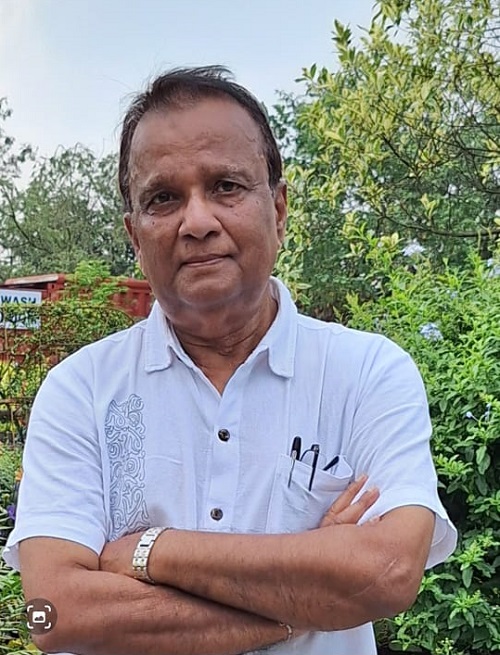
Prabhanjan K. Mishra is an award-winning Indian poet from India, besides being a story writer, translator, editor, and critic; a former president of Poetry Circle, Bombay (Mumbai), an association of Indo-English poets. He edited POIESIS, the literary magazine of this poets’ association for eight years. His poems have been widely published, his own works and translation from the works of other poets. He has published three books of his poems and his poems have appeared in twenty anthologies in India and abroad.
Dilip Mohapatra
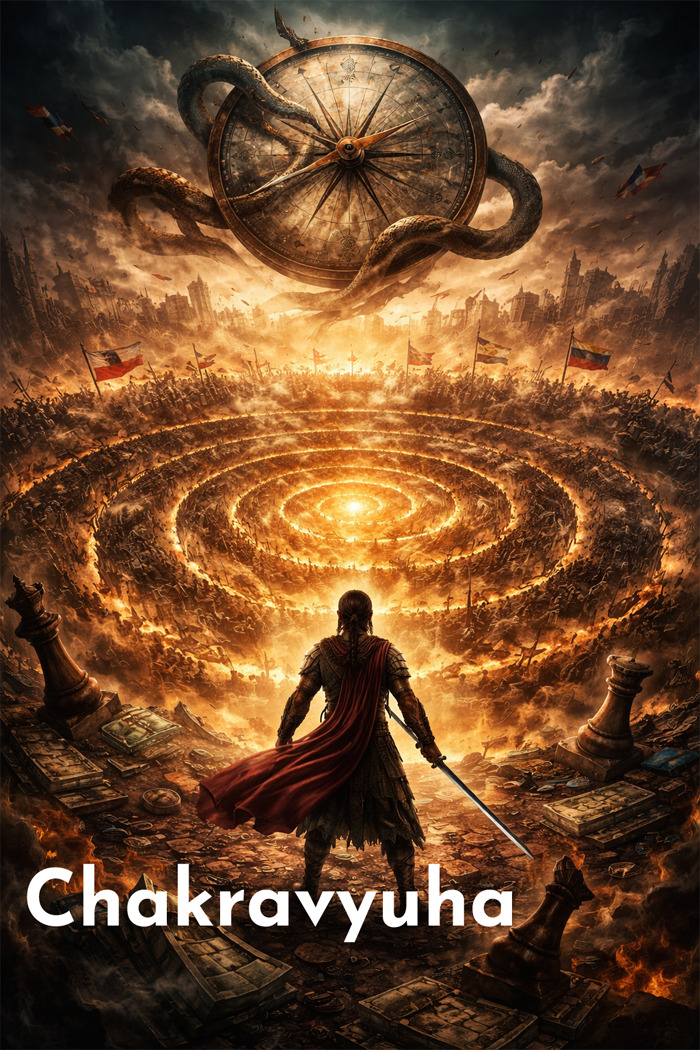
The needle of the world compass
has gone berserk—
the once-tranquil seas
are in tormented churn
while the wayward winds
rehearse betrayals in
shifting tongues.
Mighty hands plant their flags
on other territories
to stake their claims
while fragile sovereignties tremble
in helpless silence—
regimes fall like scripted dominoes
nudged by diabolical hands.
Currencies raise their hoods
and bare their fangs
of tariffs and sanctions
and kings rehearse checkmates
on a shaky chessboard of nations
silent scalpels slashing gashes
across the atlas to
cause slow bleeding
through thousand wounds.
And in collateral silence
the innocent and powerless
find themselves trapped
within layered circles of fortification
lost in the maze of
wheels within wheels
and deals within deals
where dharma itself
spins into weaponised geometry—
and in their helplessness
they feel like serpents
swallowing their own tails
like Abhimanyu
who knew how to enter
but not how to return
betrayed by unspoken exits
and inherited wars.
Perhaps in the long run
they will walk out unscathed.
Or perhaps not.
But those who dug graves for others
may find themselves trapped within—
lost in the exits they erased
and may discover the earth
has memorised their names
on their epitaphs
written in blood
while they push up
the daisies.
Dilip Mohapatra
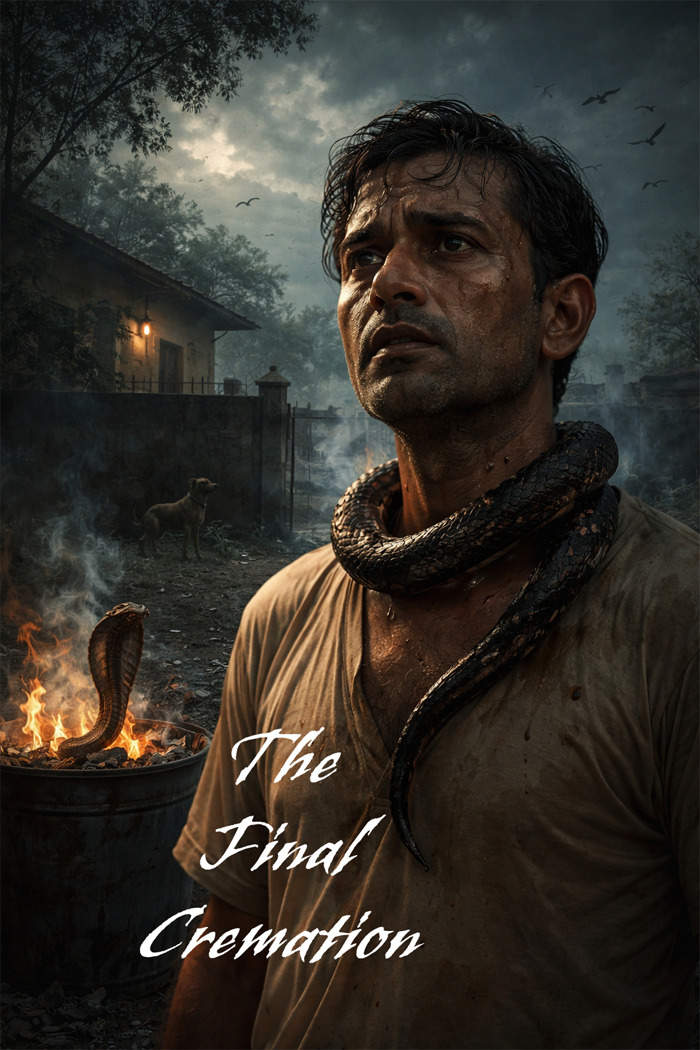
The sun had again smiled
through the gossamer clouds
after a gentle shower
and the kids were prancing around the lawn
when I heard the dog’s
incessant barking
and went out to investigate
to find a young cobra
glistening in its new coat
maybe just after moulting
with its hood spread menacingly
at the snarling dog
that had cornered it
near the boundary wall.
While trying to figure out
if the dog was threatened by it
or it was the other way around
the moment itself began to tilt
and my mind rushed back to
Lawrence’s ‘Snake’
a visitor to his water trough
and I too found myself
hanging amidst
courage and cowardice—
perversion and honour
and finally gave into
the voice in my ears
urging to kill it
as it was expected to be killed.
I picked up a stick
and gave it a sharp blow
and as its supple body slumped in a heap
its eyes met mine for a brief moment
silently asking me ‘why’?
Then I remembered someone
who had told me that when you
kill a snake you must burn it to cinders
leaving no trace of it
or else it would hound you
after its rebirth
and ultimately would find you
to take revenge
for your picture would be framed
in its eyes till eternity.
Forced by my survival instincts
I picked up the limp body
by the end of my stick
and set it to fire
in the garbage bin
opposite my gate
and rushed back home
when it started to drizzle
once again.
That night I dreamt about
the black albatross
around the neck of the
ancient mariner
and felt something similar
around mine
and I woke up with a start
drenched in my perspiration—
ran to the mirror
to find the charred snake
around my neck hanging limply
that refused to be taken off.
I still carry it around my neck
wherever I go
though I carefully hide it
under my clothing
for I know it will never leave me
and it would remain stuck till
I carry it to my own
funeral pyre
for its final cremation.
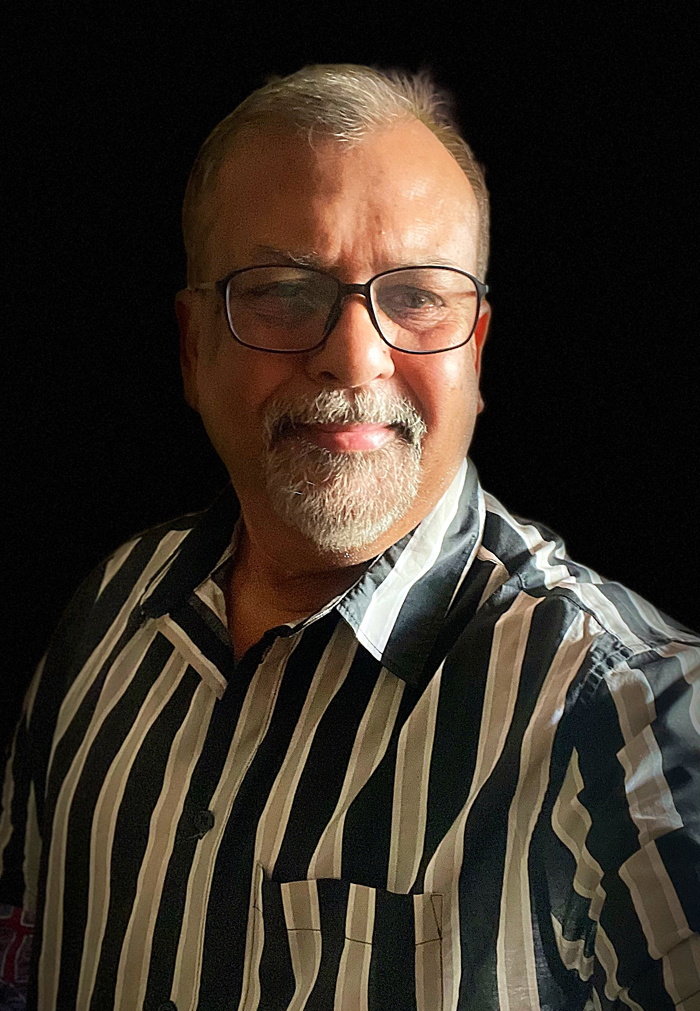
Dilip Mohapatra, a decorated Navy Veteran is a well acclaimed poet in contemporary English and his poems appear in many literary journals of repute and anthologies worldwide. He has nine poetry collections, two short story collections and two professional books to his credit. He is a regular contributor to Literary Vibes. He the recipient of multiple awards for his literary activities, which include the prestigious Honour Award for complete work under Naji Naaman Literary Awards for 2020. He holds the honorary title of ‘Member of Maison Naaman pour la Culture’. He lives in Pune and his email id is dilipmohapatra@gmail.com
Abani Udgata
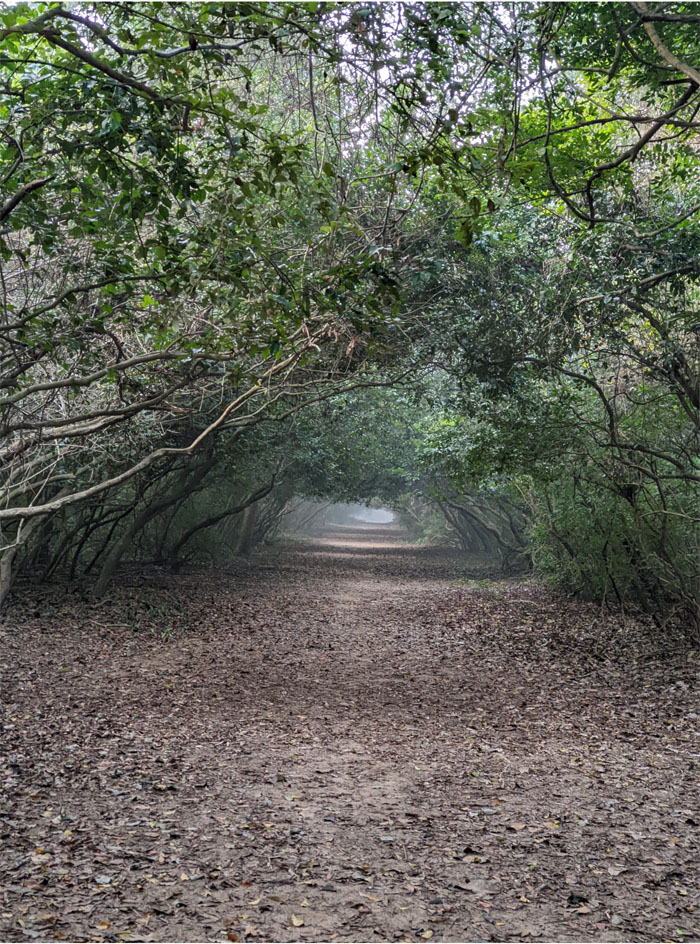
Those days stretch
like a lonely path
to the river-bed,
a drop of tear down
the cheeks of morose evening.
To-day,
even in solitary confinement
the white shawl of old moon
in fond caress reaches in
the lonely hours of the night.
Your fragile body, the seasonal cycle,
from the days of paper boats to
the dusty eyes of monocles
the relentless passage of words….
the waves retrace their steps
in to the depths of the night.
Distance is measured
in sighs, legends coagulate
below the eyes.
The gridlock of unkempt light
and shadows, strange puzzles,
beads of interrogation marks-
-neither at the story’s beginning
nor at the end, was any assurance.
In the free flow of river water,
the rocky chest of mountains,
the slender waist of the garrulous
jungle brook, a deep secret trembles
like a smiling bud in open air.
Their breathless wait is endless.
In some bemused hour the dark wings
of each bird may return from distant sky
dripping with light, the scattered bits of light
may coalesce in to a resplendent Diwali.
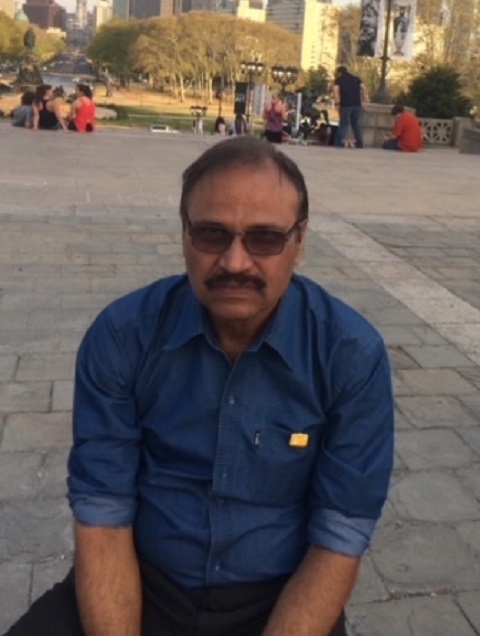
Abani Udgata lives in Bhubaneswar. Writes poems both in English and Odia. Udgata has been awarded in all-India poetry competitions and published in anthologies. He has been a regular contributor to LV. Email: abaniudgata@gmail.com
Sathya Venkatesh
I wish to buy a new house
Marry a rich person
Do well professionally
Have a great circle of friends
Do exotic trips
Be a role model
Live life king size
Go away, without regrets
Sathya Venkatesh
I wish for a house
Where your footsteps return
I hope you have a partner
Who is kind to me when you are not watching
I want you to do well
Yet have hands free to rest on my head
May you have friends
So, I can nap knowing
You aren’t alone
Take your exotic trips
I’ll guard your scent until you get back
Be a role model
Show how to love unconditionally
Live life king size
But sit on the floor with me sometimes
And when you fade away
I’ll have already loved you
Enough for a lifetime.
Hailing from Coimbatore and with a background in Economics, Sathya Venkatesh has always been passionate about English literature and poetry. After fifteen years as a freelance content writer, she transitioned to teaching English to government school students. She finds joy in poetry, travel, painting and Indian Philosophy which she feels deepens an understanding of self and fuels her creativity. She has published haiku poems on reputed journals such as haikuKatha, Haikuniverse and Autumn Moon Journal. She firmly believes in a higher purpose guiding her path.
Pradeep Kumar Biswal
Each time a leaf falls
From the tree
A star falls from the sky
On the ground
The silence gets distorted
For few seconds.
Before landing
On the surface
It floats in the air
Like a velvet boat
Singing a song
No one can hear.
Every time it falls
It echoes within me
I look around
And feel the pulse
Of a broken silence
Aching my heart.
Pradeep Biswal is a distinguished bilingual poet, translator and editor. He has nine poetry collections in Odia and three in English. His poems have been translated into Hindi, Telugu, Punjabi, Assamese and Malay languages and got published in separate volumes. He’s the curator of Toshali Literature Festival and editor of monthly web magazine kabitalive.com. A retired IAS officer, he’s staying with his family in Bhubaneswar.
Lata Krishnan

LIFE IS SMALL,
THOUGH IT DRAGS ON LONG,
THE MIND THAT WE TRAIN,
KEEPS THE SWEETNESS WE GAIN,
IN SO VERY SMALL THINGS,
AND LITTLE HAPPENINGS.
THAT FIRST ROSE THAT WE GOT,
THOUGH WILTED, NEVER FORGOT,
THAT SKY THAT YOU GAZED,
ON YOUR HONEYMOON REMAINED,
AS A COZY THOUGHT,
BRINGING MEMORIES, A LOT.
LIFE IS NOT JUST LIVED,
EVERY MOMENT IS PERCEIVED,
THE HIGHS AND LOWS LIKE WAVES,
MAKES DARK AND LIGHT ITS PHASE,
ONE MAKES THE OTHER BRIGHT,
TO DISCERN WHAT IS RIGHT.
UNLESS WE DELVE DEEP DOWN,
TREASURES OF LIFE ARE NEVER FOUND,
TOMORROW, THIS FEEL WILL LEAVE,
TO REPLACE A NEW BELIEF;
ENJOY EVERY SECOND THAT’S SPARED,
GIVE AND TAKE FROM ALL WHO CARED.
WE ARE NEVER TOO OLD TO SMILE,
LAUGH, TAUNT, PLAY ALL THE WHILE;
RESPECT THE ONES NEAR YOU,
LOVING WORDS, AT LEAST A FEW;
THE FRAGRANCE OF ROSES FADES,
THE FEEL OF LOVE ALWAYS STAYS.
Lata Krishnan is a writer presently based in Coimbatore, India. Having spent her growing up years in Kolkata, she became enamoured with poetries and litrature and started penning a few lines now and then. After finishing her education in Kolkata where she spent almost 32 years, she shifted to Chennai and many others cities due to demands of her office work as a Bank Manager. After her retirement from the banking industry, she decided to indulge in her love for writing. Her experiences with life reflects in her work. She explores themes of nature, life, love, and self- reflection. She is the author of the poetry collection "Strewn Petals of the Heart" which she published in 2023.
YOUR CHILDREN ARE NOT YOU REBORN
Dr Beena Anil
Believe Gods were also parents
In Kailash, the snow filled abode
Two children were born
One circled his parents’ for a fruit
The other flew on peacock to win the fruit of cosmos
Both of them were right, through their approach differed
One’s devotion and the other’s perfection
Siva and Parvathi felt both sons were right
One was wise and the other was following his parents to a T.
They have divinity though
Parenting is the same for all- human or god
She manages home when he dances in trance
Yet, both children learnt truth, kindness and integrity through their actions.
Gibran’s your children are not your children
May struck for a while with the hardest lines of rage
Your children are not reborn of yours
They are unique and honour them as great.
Parents neither to cage nor ignore children
Open the door, let them walk in on their own
Guide them to lit the lamp
Your scars are lessons for tomorrow’s life but
Truth is there is no blueprint to anyone’s life.
Different path to different life
No algorithm, no pattern the same.
Your life is a lesson only to you
Let your children write their own story
Avoid writing their story- at any cost.
With over 25 years of dedicated teaching experience in language and literature education, I am excited to learn, unlearn, and relearn alongside my resourceful and inspiring students over the years. I have authored 5 books and published 25 research articles in various national and international journals of repute. My research passion lies at the intersection of linguistics/literature and pedagogy, where I explore how language/literature shapes identities, cultures, and societies. My research interests include: Second Language Acquisition, Technology-Enabled Language Teaching and Mobile-Assisted Language Learning (MALL), Bilingualism, Translanguaging Gender Studies, Menstrual Studies.
Hema Ravi
As I rise to the mundane morning sounds
My hands reach out to the buzzing alerts --
alarms, notifications, shorts, emojis, and messages…
To gather the updates, I grab my spectacles.
During my younger days, I woke up at daybreak
When incessant chirps arose from the lake.
Prayers first, and then the daily chores
Elders in the family regaled us with lore(s).
Now, my mornings are spent watching shorts on screen
The screen hums, a thousand faces on the blurring scene
changes in seconds; no friendly interactions over the frothy
cups... when inmates are disturbed, they turn bossy.
Vibrant black and gold, this glittery midget
Sights unfolded when I began to fidget.
Everything, everyone is moving at a frantic pace
They’ll get here soon… I fear this silence they too will face.
Hema Ravi
What is old?
Stashed in the cupboard - Grandma’s treasured gold…
What is worry?
Constant spinning in the head – it’s all blurry…
What is hope?
A vulnerable seed ascending the hilly slope…
What is bright?
Lyrical concepts in the stillness of the night…
What is dark?
The clouded mind, hiding the impulsive spark…
What is blurry?
An unexpected turn during an arduous journey…
What is clear?
Ripple-free water, when no breath is near…
What is hubbub?
Digital screams in which humans are caught up.
What is still?
Mind – devoid of pain or thrill…
What is new?
New! everything is new – every day is new…
(Poem has been written on the model of Christina Rossetti’s ‘What is Pink?’)
Hema Ravi is a poet, author, reviewer, editor (Efflorescence), independent researcher and resource person for language development courses... Her writings have been featured in several online and international print journals, notable among them being Metverse Muse, Amaravati Poetic Prism, International Writers Journal (USA), Culture and Quest (ISISAR), Setu Bilingual, INNSAEI journal and Science Shore Magazine. Her write ups and poems have won prizes in competitions.
She is the recipient of the Distinguished Writer International Award for excellence in Literature for securing the ninth place in the 7th Bharat Award, conducted by www.poesisonline.com. In addition, she has been awarded a ‘Certificate of Appreciation’ for her literary contributions by the Gujarat Sahitya Academy and Motivational Strips on the occasion of the 74th Independence Day (2020) and again. conferred with the ‘Order of Shakespeare Medal’ for her writing merit conforming to global standards.(2021). She is the recipient of cash prizes from the Pratilipi group, having secured the fourth place in the Radio Romeo Contest (2021), the sixth place in the Retelling of Fairy Tales (2021), the first prize in the Word Cloud competition (2020) and in the Children’s Day Special Contest (2020). She scripted, edited, and presented radio lessons on the Kalpakkam Community Radio titled 'Everyday English with Hema,' (2020) a series of lessons for learners to hone their language skills. Science Shore Magazine has been featuring her visual audios titled ‘English Errors of Indian Students.’
A brief stint in the Central Government, then as a teacher of English and Hindi for over two decades, Hema Ravi is currently freelancer for IELTS and Communicative English. With students ranging from 4 to 70, Hema is at ease with any age group, pursues her career and passion with great ease and comfort. As the Secretary of the Chennai Poets’ Circle, Chennai, she empowers the young and the not so young to unleash their creative potential efficiently
Matralina Pati

Diagnosis, too, once
Were a blunt noun.
The heated frame flickers
With hunger struck out,
And s-l-e-e-p
Beneath erasure.
This “I” witnessed
Its own fracture.
Poetry does not heal,
But hardens:.
Concussed within
Still legible.
Matralina Pati, is a PhD research scholar working on marginal Indian bhasha literature (UGC Junior Research Fellow), a bilingual poet and a translator from Bankura, West Bengal. Her critical and creative writings have been published on national and international platforms. She has authored a book of translations titled Monsoon Seems Promising This Year (selected poems of postmodern poet Rudra Pati translated from Bengali into English).
Baldev Samantaray
The leftover droplets
of pre monsoon drizzle
make their descent
on the intricate pattern
of my age old gate.
A fragile and skeletal
swinging grill gate
filled with open spaces
naked from all sides
with thin traces of iron
that hides nothing.
The falling water drops
cling to the edges
pause a while
and fall in slow motion
dancing like restless glowworm
basking in the halo
of lonesome street lamp.
They fall
with gentle freshness of wet winds
that caress the warm couch
and soothe me.
They fall
vanish and settle again
to steal the glow of lazy neon
and bring hope
to the ageing eyes.
Baldev Samantaray is a retired banker who lives in Bhubaneswar. He did his post graduation in English literature from Ravenshaw College (76-78).He started writing from his Ravenshaw days. Many of his poems appear in various journals and anthologies.
Dr. Saroj K. Padhi
From womb of mists and hazy memories
there bloom times bright and full of joy,
when February arrives as
a welcome guest of the day
with promising Sun-ray,
sprinkling aura of fresh life on each little thing,
as birds’ welcome note
in whole biosphere sweetly does ring;
Sitting at the window
is joy enough to end sorrow,
I watch flowers change costume
apply lipstick to lips
as kohl of pollens
into their eyes slowly seeps,
for new hues to drape the morn
with splashes of violet and pink
from the radiant Sun.
First few evenings glow with bright Moon
offering trysts to lovers for fling
but slowly it wanes
though still more intimacy to bring.
Open up soul, be yourself to fully bloom
say the birds, buds of mango and the scented blossom,
for all loving hearts are reborn
to fully express rainbow of love
stretching to wider dimensions of the horizon !
Dr. Saroj K. Padhi
coy reddish petals of smiles
dropped from glowing faces
with music from choric birds
to grass stretching for miles;
hearts clapped unseen
swayed by a Spring breeze
in the woods of love islands
filled with unfamiliar trees;
when currents from sea
spread fire into our body
afloat on waves wild and free
at sun-set growing ruddy;
offering opportunities to souls
to grow familiar with time
and meet moments of rare union
outside circle of worldly time.
Dr. Saroj K. Padhi, an Associate Professor of English in the Govt. of Odisha is at present working at J K B K Govt. College, Cuttack . Born in 1962, he has been writing poems in English and Odia since his school days. He has published several reseach papers, two books of criticism: 1. JAYANTA MAHAPATRA’S RELATIONSHIP : A CRITICAL STUDY 2. ENGLISH ESSAYISTS : A CRITICAL STUDY and got 14 anthologies of poetry in English namely PEARLS OF DEW, SHATTERED I SING , RHYMING RIPPLES, PETALS IN PRAYER, SILENT SIGHT, MOON MOMENTS , A SLICE OF SILENCE , ELUSIVE SPRING, MONSOON MEMORIES and WHERE BUDS REFUSE TO BLOOM, THE ENDLESS FLUTTER ,STARS IN THE COVID SKY, IMPULSE FROM WOODS AND SELECTERD POEMS
He has received several awards including the national ROCK PEBBLES AWARD, 2017.
Sudipta Mishra
A day of love is on the way.
Everyone is excited.
In warm nests,
young birds twitter.
Beasts are even busy
with their murmuring.
But I lie down
on my bed,
unbathed,
not even bothering to brush for the sake of formality.
Books
pile up like overwhelming emotions.
Swirling smoke from the tea mug fills the lonely room.
The cigarette butts from last night stand as metaphors for my condition.
A heart devoid of love laments of separation.
Elsewhere,
beyond my dark chamber:
motels dazzle,
their glowing doors allowing hurried exits.
Parks are already lit,
as if to lure the poor moths into the embrace of love's relentless flame.
And I remain indifferent in all seasons.
Sudipta Mishra is a multi-faceted artist and dancer excelling in various fields of art and culture. She has co-authored more than a hundred books. Her book, 'The Essence of Life', is credited with Amazon's bestseller. Her next creation, 'The Songs of My Heart' is scaling newer heights of glory. Her poems are a beautiful amalgamation of imagery and metaphors. She has garnered numerous accolades from international organizations like the famous Rabindranath Tagore Memorial, Mahadevi Verma Sahitya Siromani Award, an Honorary Doctorate, and so on. She regularly pens articles in newspapers as a strong female voice against gender discrimination, global warming, domestic violence against women, pandemics, and the ongoing war. She is pursuing a Ph.D. degree in English. Her fourth book, Everything I Never Told You is a collection of a hundred soulful poems. Currently, she is residing in Puri.
Anindita Ray
The beautiful full moon
hangs in the lightly darkened night,
an eternal silver glow,
its unmistakable aura weaving magic,
wooing hearts in it’s quiet charm.
Sparkling, twinkling, it watches from above,
a shower of silver light washing away life’s harsh pains.
Perched higher than the clouds,
it spills streaks of radiant glow,
far brighter than a bride’s first gleam,
painting our path in soft silvery hues.
Hand in hand, we walk beneath the gaze,
the same loving moon smiling at us
as it has for countless nights before,
keeping silent watch,
a true testament to our timeless love.
The bejewelled sky sparkles,
stars twinkling in playful chatter,
a silent symphony of our shared thoughts.
And as we move along the tender path,
the moon follows softly, secretly smiling,
it’s glow a gentle witness,
holding our love in eternal embrace.
Anindita Ray is an India-based poet, short story writer, artist, and human resource professional. She graduated in Sociology and Psychology and later completed her Master’s in Social Work from the Tata Institute of Social Sciences, which continues to influence her ideologies and creative expression. She has hosted a solo art exhibition and primarily works with charcoal, oil, and acrylics. Writing poetry, short stories, and socially relevant articles allows her to articulate perceptions of life, emotions, nature, and women’s voices. Her work has been published in Indian and international platforms since 2017.
Sushree Gayatri Nayak
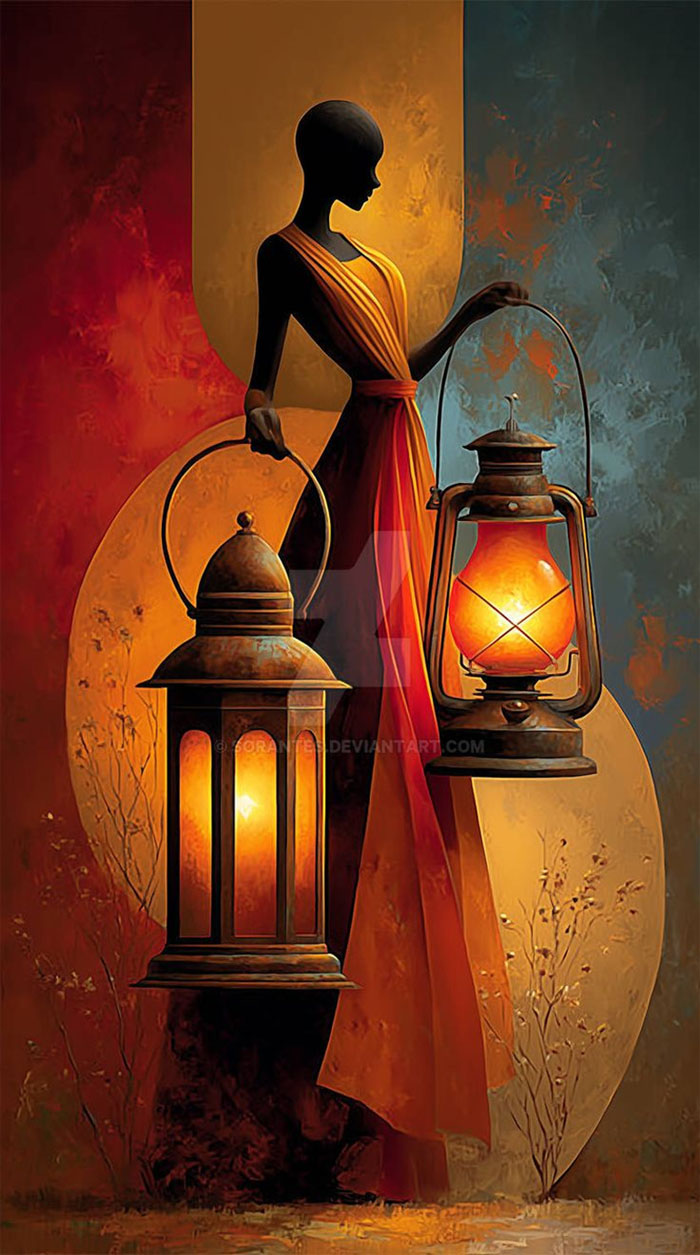
In the era of machines
Women own their names—
They code justice into systems,
Speak in boardrooms,
Treat politics like daily routine,
On battlefields, play with guns,
Shape policy, science, the future,
Carry galaxies in their pockets.
She is elite, evolved, electric,
And the blame has evolved too—
It wears a modern suit and tie,
Learns opulent languages,
Calls itself concern.
If a marriage breaks,
Her ambition shattered it.
If a child cries,
She neglects it for her dreams.
If a man feels small,
Her growth is renamed arrogance.
The higher she climbs,
The softer they speak,
The sharper their words—
“She forgot her place.”
“She forgot her duty.”
“She’s too stubborn,
Too selfish.”
Still, she rises,
Still, she grows.
Not to prove innocence,
Not to seek approval,
But because history witnesses,
Silence never saved her.
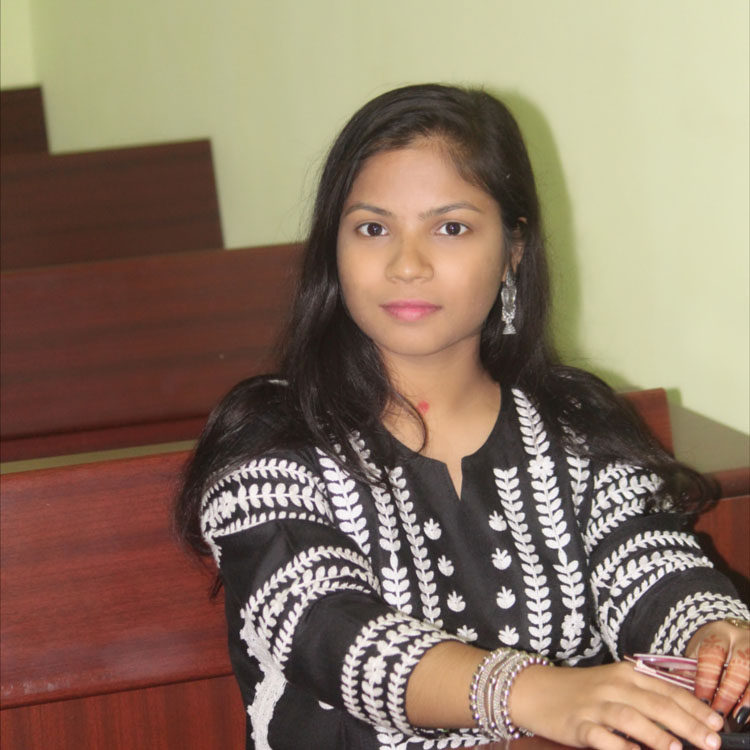
Sushree Gayatri Nayak is a budding muse and poet from Odisha, India. Currently pursuing her studies in English literature at Utkal University, she channels her passion for love, nature, and current social issues into heartfelt poetry. Her verses weave emotional depth with thought-provoking reflections, capturing both personal experiences and broader societal concerns.
Darsana Kalarickal
Are you drifting away, Oh Love?
Know this—
Though my wings are tangled and weary,
I am still trying to cross back to you,
Across this ocean-wide distance that leads to you.
Will these eyes, darkened by shadow,
Find their way without straying,
And reach you at last?
The music of survival keeps resonating
Within my inner ears, like sacred chants,
Echoing through this journey
That moves beyond the season of winter.
I know—
I must cross this burning distance.
I keep, carefully stored,
Drops of frozen dew
Even for the fiercest summer.
With tenderness, to gather them
Into the warmth within,
To draw them deep into
This single, burning heart.
At the touch of your tender fingers,
A forest must burst into bloom.
In a shower of blossoms,
It must become a stream of flowers.
Striking the riverbanks, laughing aloud,
Softly, lazily,
I long to dissolve into you and become one.
In moments when I gaze at you,
Overwhelmed with love,
Let my pair of eyes
Blush into may flowers.
Kissing the evening clouds awake,
Let me fall as snow
Upon this heated earth.
In the cool streams of moonlight
That flow from you,
May my drought and my aching
Fade away.
Like a serpent that has shed its old skin,
I shall transform,
And pour all my dreams into you.
Return to me today, Oh Love—
Be reborn within me
As the very self that is me.
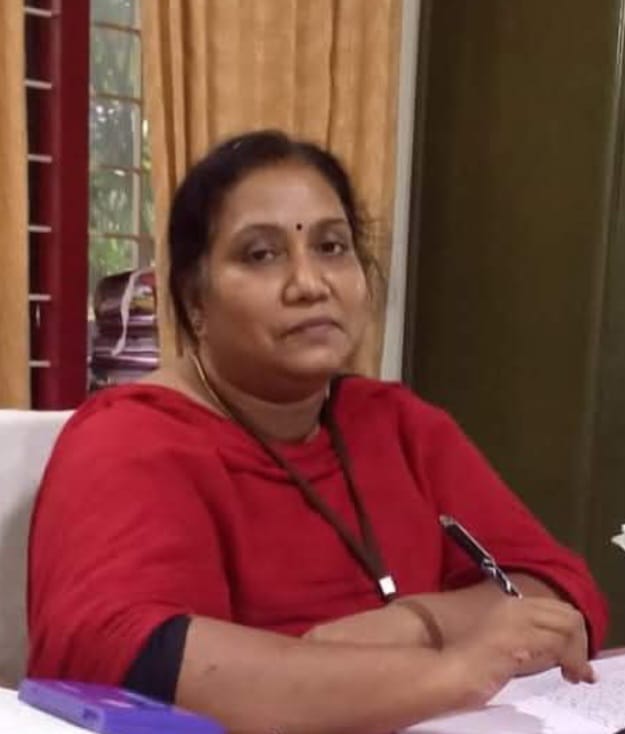
*Darsana K.R., residing in Venginissery, Thrissur district, is an employee at Venginissery Service Cooperative Bank and a passionate poet. Her published works include the poetry collections *Kavithaye Pranayichaval, Pranayathil Akappettathinte Ezhaam Naal, and Kuldharaayil Oru Pakal; the short story collection Thekkedathamma V/S Ramakavi (co-authored with Dr. Ajay Narayanan); the memoir Kunnirangunna Kothiyormakal; and the poetry study Kavithayude Veraazhangal. Her poems and articles have been featured in various periodicals and online platforms. phone : 9645748219, email darsanakr1973@gmail.com.
Satish Pashine
1. Buy and Wait
I have nothing to sell
Inflation eats interest slow—
Buy assets, or trips?
________________________________________
2. The Unasked Questions
Clinic waiting room,
Paper answers in my file
Questions stayed with me.
________________________________________
3. Between the Lines
Numbers all normal,
Yet unease would not settle
Silence examined.
________________________________________
4. Present Tense
I brought my whole past,
He listened only to now
Time stood between us.
________________________________________
5. Measured Minutes
White coat, hurried minutes,
My long story overflowed
His watch kept moving.
________________________________________
6. Seeking Reassurance
Tests said I was fine,
The mind still sought reassurance
No words prescribed peace.
________________________________________
7. Walking Out Lighter
Slow steps in the hall,
Reports folded back again
I walked out lighter.
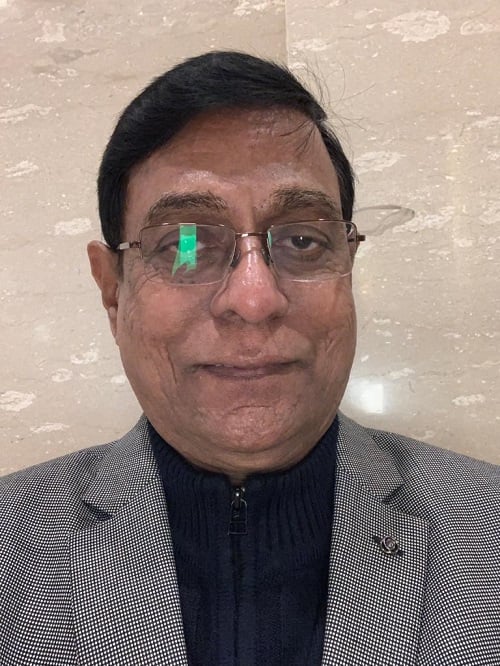
Shri Satish Pashine is a Metallurgical Engineer. Founder and Principal Consultant, Q-Tech Consultancy, he lives in Bhubaneswar and loves to dabble in literature.
Leena Thampi
The memories of hymns my grand mother used to sing,
Resonated the temple chimes at dusk grandeur,
Lamp lit with sesame oil shone
The front yard sandalwood scented garden beckoned,.
And an armchair rocking her thoughts remained in the front courtyard.
There's something in these bones of mine that refuses to break down,
As I hold on tight to the ancestral roots beneath the sands of legendary class,
Those were the times of pious words and charitable deeds ,
This cringey world took away my innocence ,
like fruit plucked too soon from the trees.
Breath after breath intensely sinking in evanescence of dreams,
The gargantuan black clouds were overcast by a dense,opaque fog,ever converging,camouflaged with the caliginous sky that surrounded.
Still I could see her face by the distant light flaunting her goddess heart.
I wish I could live those days
The wounds others inflicted would heal,
and the causes will change ,
the memories of overflowing tears will live forever like you !
And i strongly try to conjure a flame to reincarnate you from the remains.
The convoy of memories,
travel very far,
I don't need light to see you , for my cells flicker like fireflies at night.
Then your voice echoes in my ears,
"Suppose there is a shortage, life is slow,doubtful and scary,
Never ignore the heartbeat! You will definitely find a new excuse to live."
I have not lost you, we will find each other again and again.
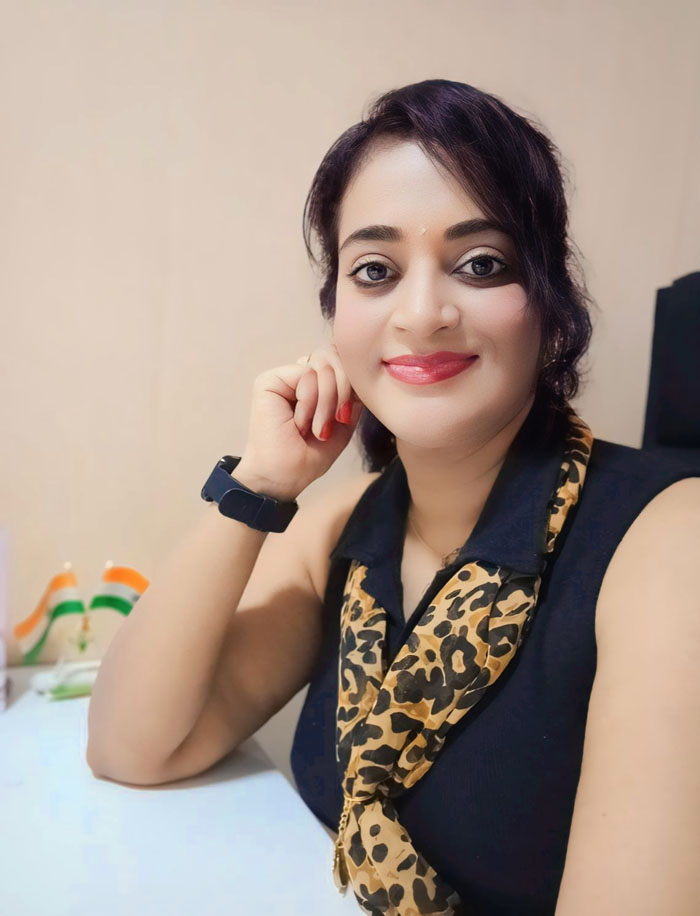
Born in Jammu and brought up in Delhi ,Leena Thampi is an articulate writer who's lost in her own little epiphanies and she gives them life with her quill. She's an author extraordinaire with four books to her credit -"Rhythms of a Heart", "Autumn Blaze" , An Allusion To Time' and Embers to Flames.
She has many articles published in India and abroad. She has received many elite accolades from different literary platforms worldwide.She has been awarded by Gujarat Sahitya Academy and Motivational Strips twice for her best contribution towards literature in the year 2021 and 2022.She was also the recipient of Rabindranath Tagore Memorial literary honours 2022 by Motivational Strips.
Her work mixes luminous writing, magical realism, myths, and the hard truths of everyday life.
Besides her flair for writing and deep-rooted love for music, she is an Entrepreneur,Relationship and life coach,specialised in child psychology.She is also a dancer and actor. She is currently working on her fifth book which is a collection of short stories.
Leena Thampi is a celebrated author and entrepreneur known for her captivating writing style that transcends the ordinary. With five published books and numerous internationally featured articles, her work has garnered widespread recognition and accolades. Recent accolades include four awards from" The Book Channel" for her four books across different categories, She's also the winner of the 'Women Face of the Year 2024' award by Fox Story India, and the City Excellence Awards by Bharat Times.
Her literary prowess has been recognized with Rabindranath Tagore Memorial literary honors and Gujarat Sahitya Academy honors. Leena's unique narrative voice blends luminous prose, magical realism, myths, and raw life realities, inviting readers into a world of wonder and introspection.
A multifaceted talent, Leena is a certified child psychologist, relationship coach, and TEFL trainer. She is the Co-founder and COO of HAVL Hi-Tech Pvt Ltd.
Her published works include "Rhythms of a Heart", "Autumn Blaze", "An Allusion To Time", "Embers to Flames", and "Celestial Melodies".
With over a hundred accolades from literary platforms worldwide, Leena continues to inspire with her writing. She is currently working on her sixth book, a collection of short stories. Her articles, poems, anthologies, interviews, and features have been published in national and international magazines and newspapers.
Kunal Roy
Crushing the granules,
sippimg the residual acqua,
I screamed aloud,
Shouts emanated-
from the soul,
not a mental boost!
Not a tender glimpse,
A brown wavy structure
slipped in between
the framed picture
placed on the red chair!
Coiled up a little,
with no hood raised
trepidation crept in-
Not a jiff elapsed
it glided snazzily
concealed under the almirah
of scratches and rust!
I switched the mobile light
sat with folded knees -
discover the sleek
that didn't slunk out of the room!
Surprising -
could not find the agile!
Anxiety took a root,
Advices came from the corner,
The uprose storm settled
among the boughs of spirit,
I know not-
what happened to it!
I never saw it so close as before!
Perhaps it fled,
awaited some food
enjoyed the cool waters of the pool,
met with mates,
clung to the fragrance of monsoon
spawned-
before delving deep into hibernation!!
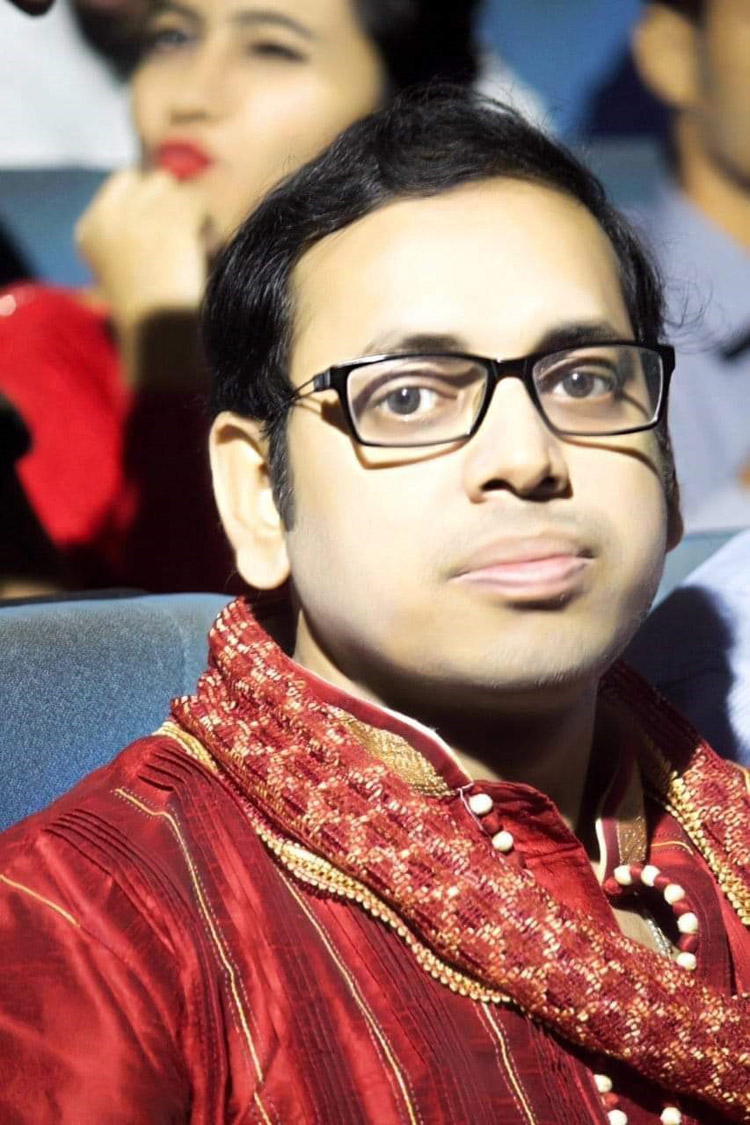
Kunal Roy has always been an ardent lover of literature. He has received various awards for his literary contributions. He is a poet and a critic of poetry. His works have been published both here and abroad. Currently working as an Assistant Professor of English Language and Communication in George Group of Colleges, Kolkata.
Lopamudra Singh
They are found everywhere, in every place and every time —
From every speck of dust to every gravitas of the Universe,
In the very words I jot, and in the very personality I flaunt;
Be it the proposals made by lost lovers with forgotten names,
Or tacky promises made by the husbands after tedious fights;
Even in their ways of loving me deeply and holding me tight,
And in their way of chaining me with every ounce of might.
They can be found on every inch of the human body and soul —
From the craters, deep on the skin to the hair, blunt on the chin;
In the gentle voice of a feminine figure with a masculine tone;
In the patterned shift of melanin, creating a mosaic of shades,
Or in the unpatterned way of embedding genes in a new being;
In the theories and science of identity, gender and attraction,
And in the emotions of fragmented, broken, old connections.
They challenge every mighty theory and philosophy known —
Be it the Godmen’s preaching, or the professors’ teachings;
In the evolution of Darwin, and in the ambiguity of Simone;
Identified in the plots of Marlowe’s and Shakespeare’s drama,
From Ophelia’s growing madness to Faustus’s shrewd insanity;
Far in the Wasteland of Eliot and the Sourdough of Syndor,
In the hunger of Jayanta Mahapatra and forest fires of Kamala.
They change mundane subjects into art pieces of appreciation,
And give a unique, authentic identity to everything common.
The solutions to every problem, the panacea for every ailment;
Without which no life, no emotion, no word, would sustain;
For it is the very path of survival when everything depletes —
In the form of apt corrections and mutations, they originate,
Making every place, time, and being worthy in this dull world.
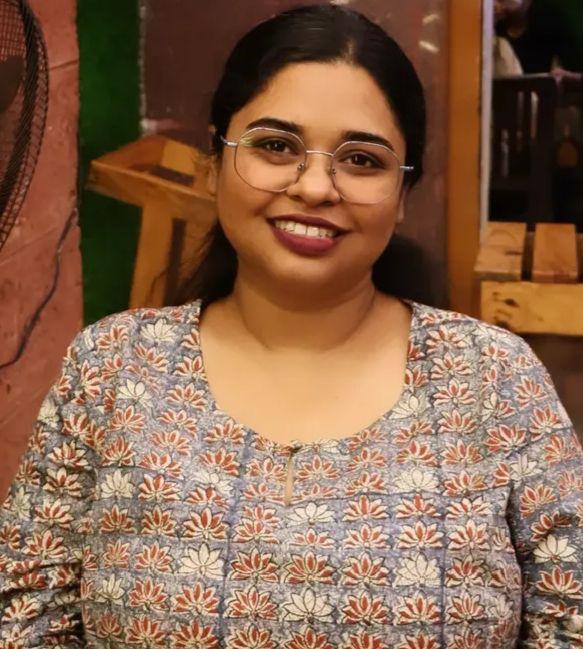
Lopamudra Singh is a literary enthusiast who actively engages with books through reading and reviewing. Professionally, she blends her analytical background as an Electrical Engineering graduate with her experience as an officer in the Commercial Tax and GST wing, Department of Finance, Government of Odisha. Her aspiration is to leverage her expertise in renewable energy to contribute meaningfully to the field of economics and sustainable development.
BARREN WOMAN UNDER THE BODHI TREE
P. S. Sowmya
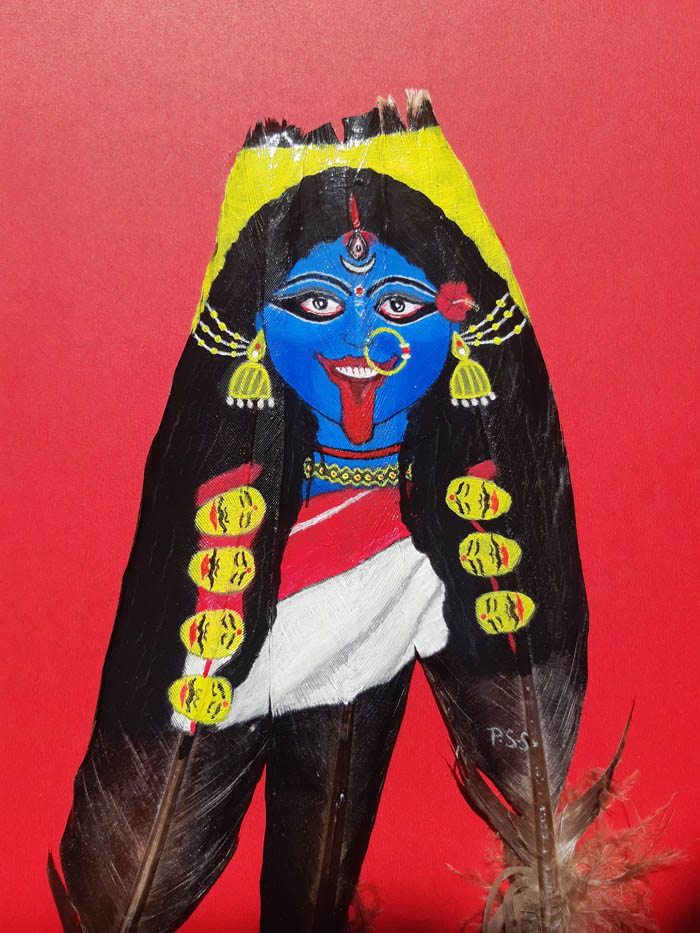
It was twilight hour.
The anger of Lord Surya had mellowed down.
He was looking at us with a compassionate eye.
Blessed by his blissful look and cool breeze
Everything looked divine and beautiful.
The majestic peepal tree was standing tall,
Extending its branches all around
And quietly providing food and home for many lives.
Adjacent to it was a beautiful lotus pond
Adding to the divine ambience.
The pond had a few lotuses
And there were the lotus leaves
Which had little droplets of water
Dazzling in delight in the divine glory of the dusk.
Though they were the drops of the same pond,
The globules were joyfully glowing like diamonds.
Unattached to the leaves they were on,
They were like small worlds by themselves,
Reflecting the beauty of the greater nature around them.
I, a barren woman, sat under the fertile peepal tree
To observe the surroundings for passing time.
But, I lost myself in the lush greenery and
And the little pearls of wisdom nearby,
Glowing in the divine golden hue of the dusk.
The birds were chirping and telling their stories,
As they had returned home.
Children were fighting, playing and screeching.
Looked like the birds and the children were in competition.
I enjoyed watching them all play their games
Amidst the divine song of the birds
And the divine hue of the heart-warming twilight sun.
In due course, I forgot all about myself.
There was only divine grace and joy all about me.
And I was enraptured and lost in that grace for some time.
I was no more, but only the experience
Of enjoying the pure, innocent joy around me.
Alas!!! It lasted only for a short period!!!
Which makes it even more a precious memory
That brings joy even in recollection.
I wonder now, “Would I have had the same experience,
If I had a child of my own playing there?”
Strange are the ways of God!!!
He alone can plant fertile experiences
Inside barrenness!!!
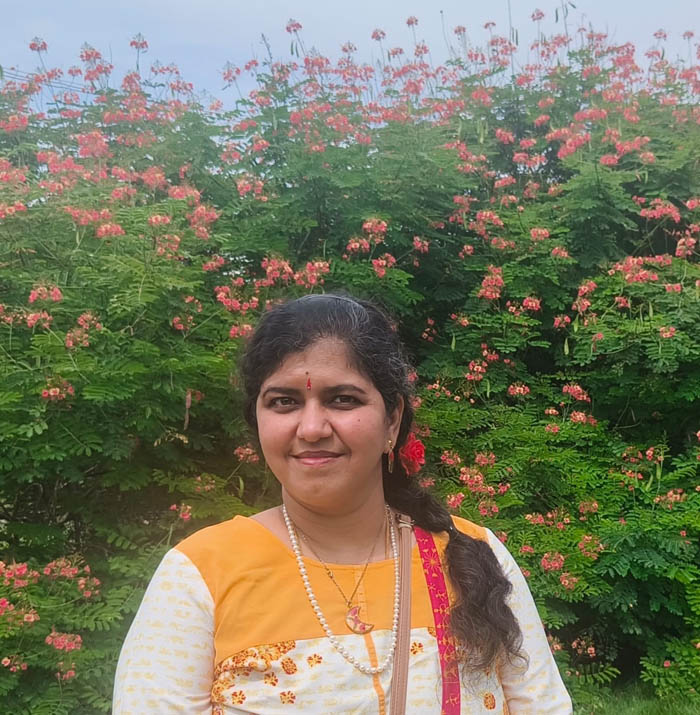
P.S.Sowmya has completed her B.A. English literature in Meenakshi College for Women, M.A. in J. B. A. S College for Women and MPhil. in University of Madras. She has worked as a Lecturer (for a brief period), Language Editor and an Instructional Designer. She is a member of Chennai Poet’s Circle (CPC) and her poems are regularly published in the annual anthology of CPC “Efflorescence". A couple of her articles are published in a famous website ( paramparaa.in) and in an e-magazine "Tatvamasi" circulated among a close network of interested people. She is interested in reading, writing, gardening, painting and listening to music. She is a lover of Nature.
Arpita Priyadarsini
My love is a cascade
Flowing betwixt
The aches of yesterday
And the hopes of tomorrow
Yet finding it's way out smoothly
I smell of leftover wishes
Written all over the half burnt pages of their diaries
That they've long forgotten
In the castle of their curse
So I wait for them
To decipher every inch of me
And then
Abandon me with a little grace
And a lot more agony
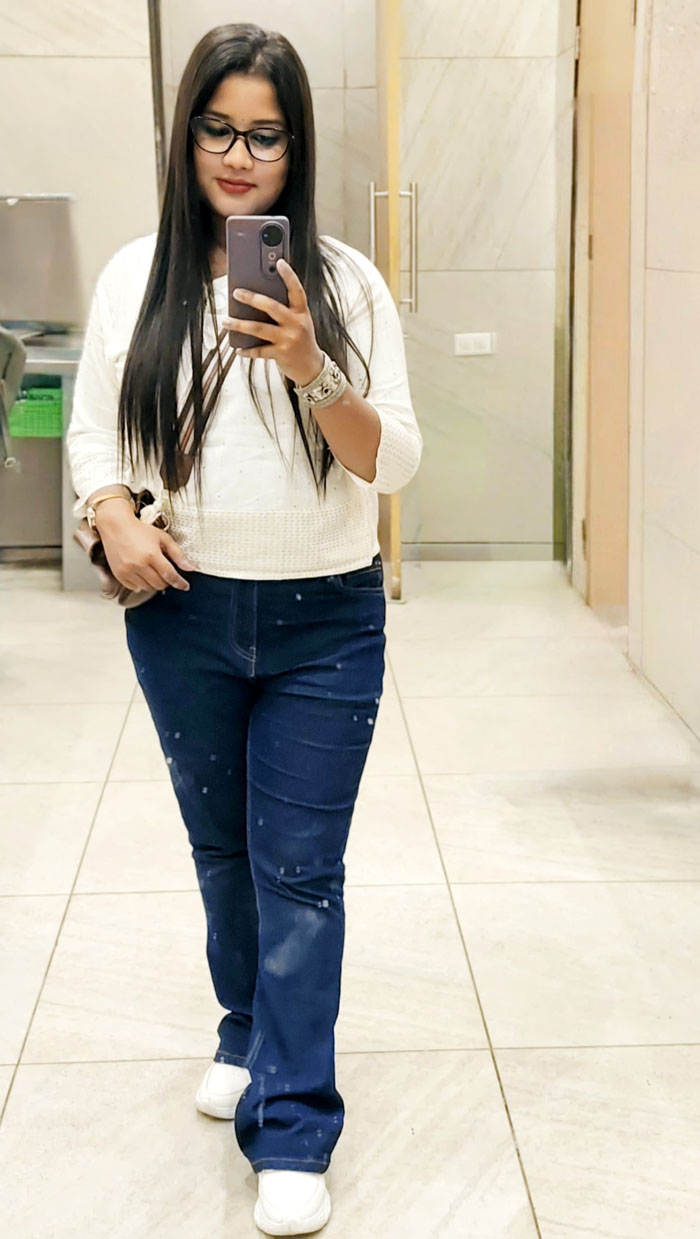
Arpita Priyadarsini, I`m currently working under Home department, Government of Odisha, has keen interest in literature. She loves reading fiction and poetry. She started writing poems few years back and has been published by an international publication house twice. Her Instagram handle is @elly__.writes, which is solely dedicated to her love for poetry.
Bipin Patsani
While wading through and carrying
My soul to the other bank
Across the familiar stream
Of a poem, like Vasudeva
Carrying on his head
His own heaven of freedom,
I came upon a word
That broke apart on its own,
And I found myself
Standing in the middle
Of my purpose, wide open
And calm in a pure pose,
Free from fear and tension
Or restraints, vile and vain.
Bipin Patsani
We seek freedom for the joy of living.
The seeking grows intense till we find
That it has taken the shape of a dream.
We nourish the dream and let it flourish
Though it seems waning in course of time,
But comes back to memory once again
Like a home address long forgotten.
And then we find us face to face with truth
Only to realise that we are at the same place,
May be at the same time we began building up
The dream sometime somewhere in childhood
And what we see we are to our joy
Is that by becoming we have become nothing,
The same as the emptiness of space
Accommodating the sweet redeeming experience
Of weightlessness, the fine feeling of total absence.
The dream itself is simply the ritual longing
For the two different experiences that which,
In fact, is one, with its two different ends,
One longing to grow and experience
The vastness of freedom,
While the liberated end longs for the finite and form
To bind this wonderful experience in a time frame.
Hence, the backdrop and each form which hitherto
Seemed to have no flesh, no face nor voice
Or seemed to have the wrong kind,
Now seems to be flowing forward meaningfully,
Where the feel, the touch and movement
Each becomes a part of the divine concert.
( From Poetry collection, VOICE OF THE VALLEY,
Writers Workshop / 1993)
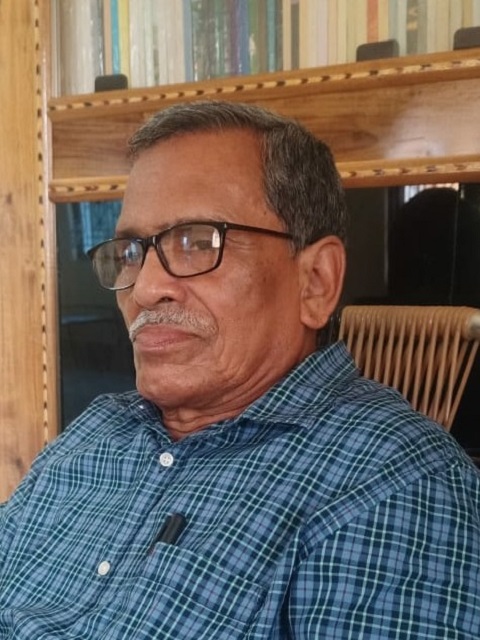
Bipin Patsani (b. 1951) has published poems in many prestigious journals and poetry anthologies including Indian Literature, Chandrabhaga, Journal of Indian Writing in English, Indian Scholar, Kavya Bharati, Poetcrit, International Poetry and Prophetic Voices etc. He has been translated to Spanish and Portuguese. He has three poetry collections to his credit (VOICE OF THE VALLEY, ANOTHER VOYAGE and HOMECOMING). He is a recipient of Michael Madhusudan Academy Award/ 1996 and Rock Pebbles National Award in 2018. He did his Post Graduation in English at Ravenshaw College, Cuttack in 1975 and served as a teacher in Arunachal Pradesh for 34 years till his superannuation in 2012. He also received Arunachal Pradesh State Government’s Award in 2002 for his dedicated service as a teacher. He lives with his family at Barunei Colony, Badatota in Khordha District of Odisha, India.
Dr. Protiva Rani Karmaker
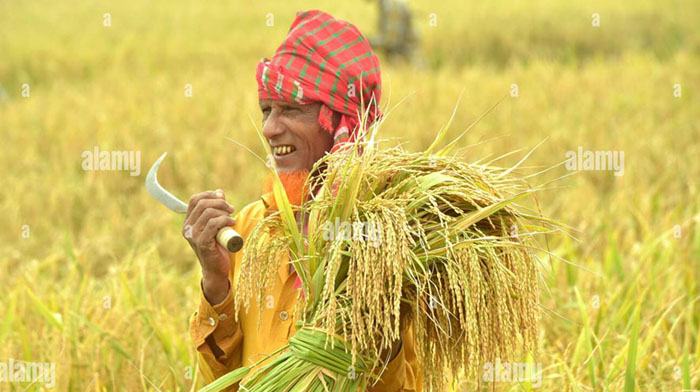
I have seen his bonny hands
Tired but busy in planting seeds;
I have seen his half-torn dresses
Fluttering in sunny air with speeds;
I have seen his weary legs
Touching the ground of soil to breed,
New crops for people of all creeds;
I have seen his bright eyes
Sparkling with hope to see the golden harvest,
What will bring joy to us,
Though he will never be solvent;
I have seen a farmer’s silent sighs
Of deprivation, sorrows and cries.

Dr. Protiva Rani Karmaker is an accomplished writer and columnist for national dailies, renowned for her contributions to education, youth development, and literature. As a professor and first director at the Institute of Modern Languages, Jagannath University, her expertise spans literature, education and research. She has authored twelve books by Bangladeshi renewed publishers, 01 book by Indian publisher, 22 journal articles and 200 columns. In recognition of her exceptional work, she received the International ERUDITE SCHOLAR 2022 award from the Council for Teacher Education Foundation (CTEF), India, and the International Award of Academic Excellence and Leadership 2024 by the Council for Educational Administration and Management (CEAM) India.
Mrs. Setaluri Padmavathi

Like a mystical power, you appear
Sometimes as water and sometimes as fire
You plunge me into the malicious world
Where I reside, resile and resist!

I knew not my innate ability
I see not the smooth road
You put forth my goal as yours,
And lead me to the unknown path
Like a shadow, you follow my mind
As a genius, you guide me ever
When you stretch your helping hand,
I hold it, cherish it and savor it
I still recall those times when I call you
I often think of the words you uttered
They boosted me then and comfort me now
Is your presence valuable or your company?
You do not speak to me for ages
I do not see you for years either
Still I speak the same silly things
You hear without any fullstop.
When I face issues personal or professional
Family and friends listen to me
They do advise me now and then
But your word is a verdict, and final.
In my gloomy days, and happy moments
On the pebbled path and successful days
I speak to people thousand,
But you always stand tall.
I travel by a small and huge ship
The sea protects me in and out
A ship that takes me till my last breath,
Without throwing me in the sea
Is a true friendship or companionship.
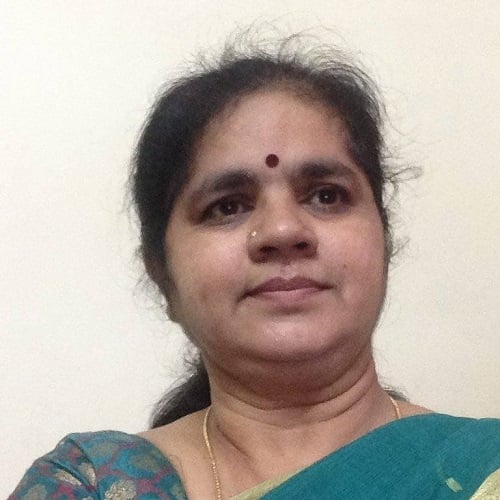
Mrs. Setaluri Padmavathi, a postgraduate in English Literature with a B.Ed., has been in the field of education for more than three decades. Writing has always been her passion that translates itself into poems of different genres, short stories and articles on a variety of themes and topics. She is a bilingual poet and writes poems in Telugu and English. Her poems were published in many international anthologies and can be read on her blogsetaluripadma.wordpress.com. Padmavathi’s poems and other writings regularly appear on Muse India.com. Boloji.com, Science Shore, Setu, InnerChild Press Anthologies and Poemhunter.com
Dr R. S.Tewari
O Dear Young Ones !
Fly fly high without fear and doubt ,
Be your feet firm with the will stout.
Better dream, resolve, aspire and strive with patience,
Wink within the orbit, rotating the mundane psyche with conscience.
Let your vigour remain ignited and thirst insatiable ,
To accelerate you towards the goal to make it memorable.
The world we live in is constituted of both Reality and Illusion ,
Beware of both the ends, and go on fighting and filtering the confusion.
The day is waiting to greet you and adore your name
In golden pages for your valour in the mirror of fame.
Dr R. S.Tewari
Love is such a vigour with vitality that is above all creeds ,
And doesn't merely fulfil biological and emotional needs .
Though unseen, a proven power and potential that ever stands by one,
When all one's own and fair weather friends say, 'good-bye,' and shun.
If it is true love ,it won't alter even when it has all access and feasibilities,
And if product of self-centred selfish breed, it will delve deep into dualities.
Confining love to the carnal craving is another name of a lusty venture,
Too temporary to be visualised in its journey, any kind of adventure.
Love has its sproutings in the softest region of one's heart ,
Having emerged once selflessly,it doesn't know how to depart .
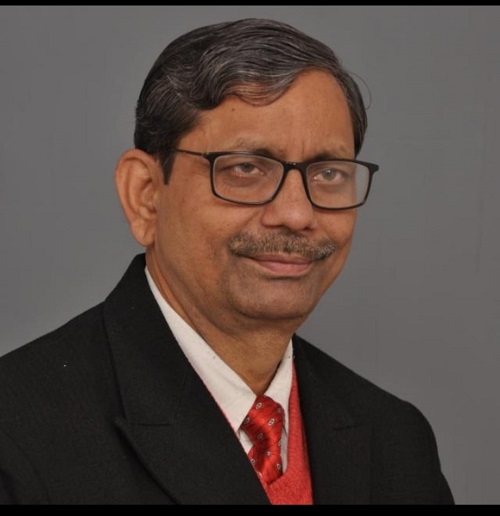
Dr R. S.Tewari 'Shikhresh' is a retired Assistant Director(O.L.)from Govt of India ,awarded by Honourable President of India,Honourable Governor of Uttarakhand and U.P.,Honourable State Home Minister (Govt of India) for commendable work in Official Language of the country is an M.A.( English Literature ,Hindi Lit. Philosophy ),PG Dip.(Translation and Journalism )and Ph.D.in Philosophy of Religion ,
Dr Tewari to his credit has 23 books of English verses,Hindi verses,books on Official Language and English Grammar.He has delivered more than five hundred lectures in various workshops on various topics.He has written more than a dozen of reviews of books in Hindi and English. Having started his career as an English teacher ,Dr Tewari worked as a Translation Officer, Hindi Pradhyapak and Assistant Director (Official Language) in Income -tax Dept.He has also served as a Consultant, Officilal Language and Communication in a training Centre of the ministry of MSME.
He has also worked in the Departments of Philosophy and Journalism in Agra University as a visiting faculty for a short span. Presently, he is a Visiting Faculty in the distance cell of D E I Deemed University, Dayalbagh ,Agra (UP),India.
Tophan Khilar
Write Me a Letter
Write me a letter
not to fill a page,
but to fill the space
between today and yesterday.
Let it arrive without symmetry,
without the burden of structure
Let it stumble,
pause,
breathe.
I don’t want perfection.
I want truth
handwritten,
uneven,
alive.
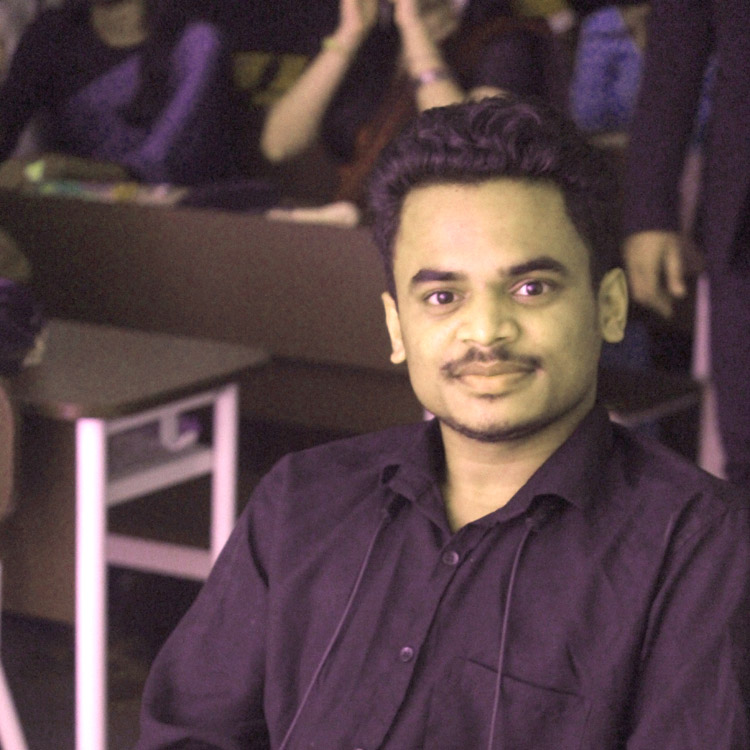
Tophan khilar, a Post Graduate student in Department of English in Utkal University, has keen interest in writing poems. He loves reading fiction and poetry. He started writing poetry when he was doing his graduation, taking inspiration from his teacher, Ajay Kumar Pattanaik. With over 60 poems written, he aims to evoke emotions and provoke thought through his writing. He is a young poet with a passion for exploring themes of nature, identity, love, etc.
Harisankar Sreedharan
Often we walk into a maze,
Where Confetti Cannons have burst,
Spewing glitter and glow
Fun and frolick, we call it life,
Failing to notice our compatriots
Are silent, the suppressed sobs
Lost in the din and the vacant looks
In the eyes of the passers by...
Often we miss the real for the surreal,
Where we have hitched
The remenants of our lives.
We tread on the sidewalks
Outstepping most, heady in the lead
As though we're the first to spot
The sights, failing to realize
The path has narrowed down and
Become more solitary than ever...
"Turn back and run away"
Someone calls out in an ushering tone...
Our feet can't turn back,
Because they had become the path!
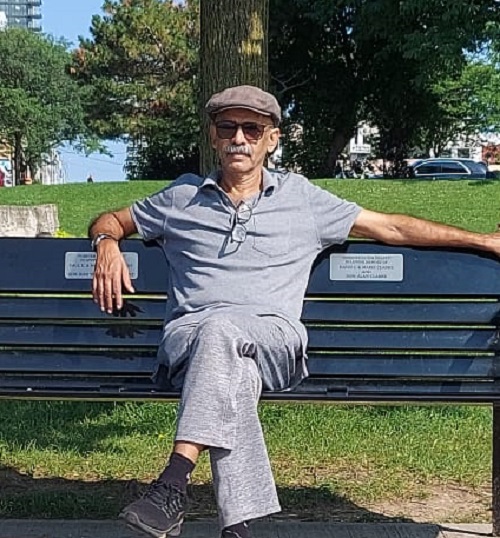
Harisankar Sreedharan is a banker by profession. Retired from service in 2020. Still active in the profession. Pursuing interests in literature - poetry and drama. Associated with the theatre movement. Own creations are in Malayalam. Occasionally write English poems too.
A Traveller... fascinated by the time unframed in places - seemingly enjoying the whiff of smoke from cooking pots and tea kettles, smothered by the conversion among the local people .... to stand, watch and let the world pass by ..
Passionate driver, bike rider and trainer.
Dr. Rajamouly Katta
I am all and wholesome,
Starting from the blue
As small and tiny in nature,
But majestic and mighty in stature
For my journey winsome.
As the sign of unison,
United to leap forth to the deep
From highs to lows
From the head to the foot
As raindrops in communion, showered
When clouds delivered,
Amid sparks and lightnings
Amid roars and thunders
For the flow of my life from wombs,
Battering all over the tops,
Flowing through glaciers.
Sunrays pass through my dot mien
Offering the pretty rainbow,
My choicest gift for the joy of viewers.
I feel pride for my ride lively
In my constant flow lovely,
Bubbling and gurgling,
Full in might, full in life
I flow …I flow
With glow on my brow,
Twinkling with stars in nights
Shining with the sunrays in days.
My flow is ceaseless in bliss
Selfless in service,
Relentlessly quenching the thirsts
Of parched throats of lands
Offering the breath to creatures,
Seeds sown and hidden
I deck them all in green
For life to shine in life-sheen.
It is my pristine and primary duty
In my long autobiography in enormity,
The course of my flow, invincible in force
From ups to downs
With twists and turns.
The pebbles, purling pearls at my bottom,
Know that I travel sans weariness.
I live ever in my flow to echo
In boatmen’s songs,
Letting sailors sail on my flow.
I glimpse all gazing me in love,
Offering prayers in devotion,
I offer them free gifts for life.
With me, they love to make a parley
I care for all, leaving nobody
It is my relation and concern,
Minding my sole sojourn.
I reach my mighty mother-ocean
As a foetus at her heart
To be born for my flow ever,
the present to merge the past
To live in the future,
The eternity of my journey.
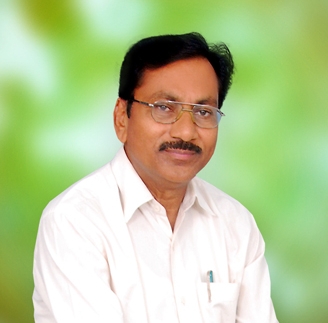
Dr. Rajamouly Katta, M.A., M. Phil., Ph. D., Professor of English by profession and poet, short story writer, novelist, writer, critic and translator by predilection, has to his credit 64 books of all genres and 344 poems, short stories, articles and translations published in journals and anthologies of high repute. He has so far written 3456 poems collected in 18 anthologies, 200 short stories in 9 anthologies, nine novels 18 skits. Creative Craft of Dr. Rajamouly Katta: Sensibilities and Realities is a collection of articles on his works. As a poet, he has won THIRD Place FIVE times in Poetry Contest in India conducted by Metverse Muse rajamoulykatta@gmail.com
FROM THE BANKS OF RIVER MAHANADI!
Dr. Niranjan Barik
Father seeks a distant shore,
Mother wants a son at home.
Between two wishes
The wedding drums were silent.
You were so candid
On the banks of Mahanadi at Sambalpur.
At Kantilo Nilamadhav,
your hair spilled loose like monsoon clouds.
The horoscopes were matched,
yet regional pride loomed like the Himalayas.
The Mogul Bandi man saw you as Gadjatia—
a daughter of the hills,
rough, tough, but of red earth.
You remained distant,
even as you stood before them.
Downstream, at Banki,
you sat with your feet in the water,
gazing at your reflection
dark as fertile soil.
They saw your colour,
not your heart or mind.
Every suitor turned away,
as if dusk itself were a fault.
At Gadagadia ghat, Cuttack,
you blazed like the sun at noon,
glowing like purest gold.
Quick of tongue, steady of gaze,
you outshone them all.
To the boatman you replied, fearless:
“What is my marriage to you,
you shameless fellow?
Whether I wed or not,
how does it concern your father?”
For a heartbeat,
even the river seemed to hold its breath.
Further on, at Kalamala,
you waited with folded dreams.
The clerk’s demand for a phatphatia
was too much to bear.
Half in anger, half in shame, you asked,
“How can vows be spoken
when wheels and coins
stand guard at the door?”
You were there along the banks of the Mahanadi River.
From Sambalpur to Kalamala
You were the same but different at every turn
A woman then waiting,
A woman then wanting,
A woman, but questioning,
A woman who felt wounded,
And a Woman who was bold and wise.
The boatman stood witness to your stories
on the blue course of the Mahanadi River.
The river has now met the sea,
Making tears replace the waters
Yet your stories, nay the voice, did not drift away with the waves,
they remain, flowing still in every heart.
Xxx xxx
(A tribute to the renowned veteran singer Geeta Patnaik , one of the most iconic voices in Odia music, and my batchmate at Vani Vihar ,PG Pol Sc (1973-75)who passed away recently.)
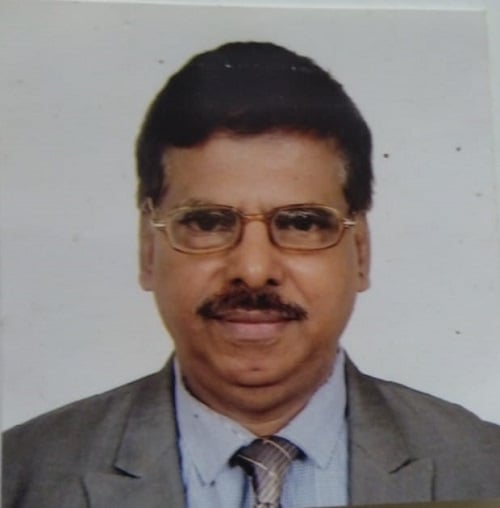
Professor Niranjan Barik ,formerly Professor and Head, Department of Political Science at Ravenshaw University also served as a Professor of Pol.Sc and Principal , Khallikote Autonomous College, Berhampur, Odisha. A Fulbright Scholar-in-Residence at Miles College, Birmingham, AL, USA in 2007-08 , Prof Barik evinces interest in reading and writing short stories and poems in Odia and English. His poetry book , “Freedom from Bondage: An Ode to Nature” published in 2023 was released in Bhubaneswar in December 2023.
Dr. Mrutyunjay Sarangi
The song is ended,
but the melody lingers.
Soldiers have returned home,
but the marching band is on.
The battle has been won,
but the fights are still on
in the narrow minds
of the leaders and their hangers-on.
The economy limps,
but the arguments are on.
The shops are closed
but the shopping is on.
Plates are empty,
but the meals are on.
The horse has fled,
but the carriages are drawn.
The clouds are gone
but the rains are on
The lamp is dry
but the light is on.
Hordes of people are on the street
but the noise is gone
Everyone bears a wound,
A silent procession is on.
Students wait in the classroom,
the teachers are gone,
buying a ticket to the state capital
where a big agitation is on.
Patients are left on the operation table,
the doctors have left
looking for dollops of ether,
the pains are on.
The roads have ended,
all hopes are gone,
still we keep marching
because the journey is on.
Dr. Mrutyunjay Sarangi is a retired civil servant and a former Judge in a Tribunal. Currently his time is divided between writing poems, short stories and editing the eMagazine LiteraryVibes . Four collections of his short stories in English have been published under the title The Jasmine Girl at Haji Ali, A Train to Kolkata, Anjie, Pat and India's Poor, The Fourth Monkey. He has also to his credit nine books of short stories in Odiya. He has won a couple of awards, notably the Fakir Mohan Senapati Award for Short Stories from the Utkal Sahitya Samaj. He lives in Bhubaneswar.
Viewers Comments